Ionad Hiort | The St Kilda Centre
A planned cultural and visitor centre sharing the story of St Kilda and its people, based in Uig, Isle of Lewis.
Fàilte gu Ionad Hiort
From its clifftop home in Uig, Ionad Hiort | St Kilda Centre will bring the story of St Kilda to life through creative design and immersive storytelling. Visitors will uncover the lives of those who once called St Kilda home and see their connection to Uig today. By drawing people to this part of the Western Isles, Ionad Hiort will support local employment, tourism and community life.
Bho a dhachaigh air bearradh a’ Gheodha Sgoilte, ann am Mangarstadh Ùig, bheir an t-ionad sgeulachdan muinntir Hiort beò. Tro dhealbhadh cruthachail agus tro dhòighean didseatach ùra, bidh e comasach do neach-tadhail iad fhèin a bhogadh annta. Gheibh iad tuigse air eachdraidh agus beatha nan daoine agus cothrom beachdachadh air feadhainn de na traidiseanan coltach ris na tha follaiseach ann an Ùig an-diugh. Le bhith a’ tàladh dhaoine chun na pàirt seo de na h-Eileanan Siar, bheir Ionad Hiort taic do chosnadh ionadail, turasachd agus beatha coimhearsnachd.
Bringing Ionad Hiort | St Kilda Centre to Life
-
![A modern building with a stone facade and cylindrical structures on top, situated on a grassy landscape with a few people walking along a trail and a boat in the distance on the ocean under a cloudy sky.]()
Explore the Vision
-
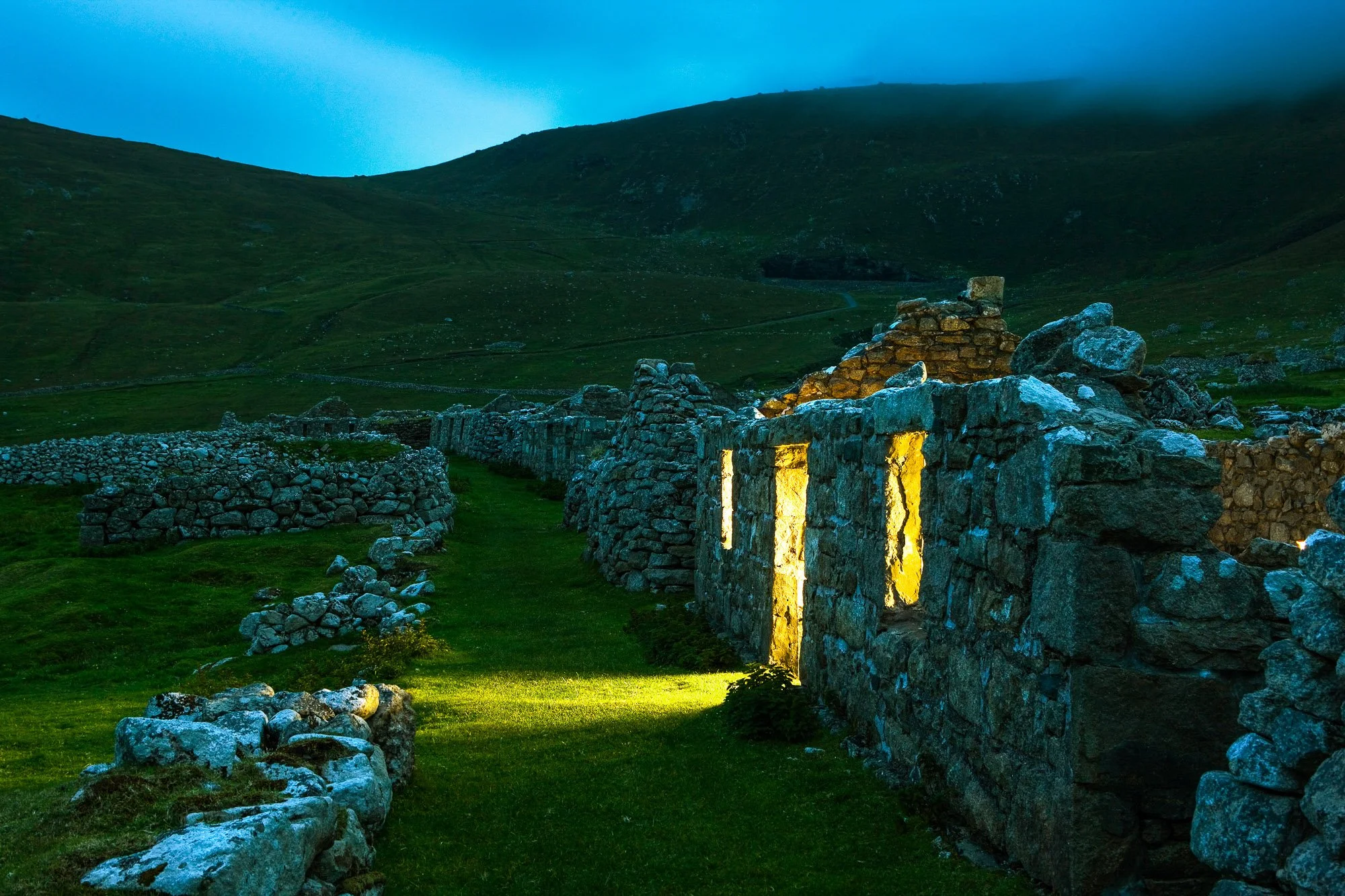
![Ancient stone ruins with glowing yellow windows in a grassy landscape at dusk, hills in the background. St Kilda]()
Support the Project
-
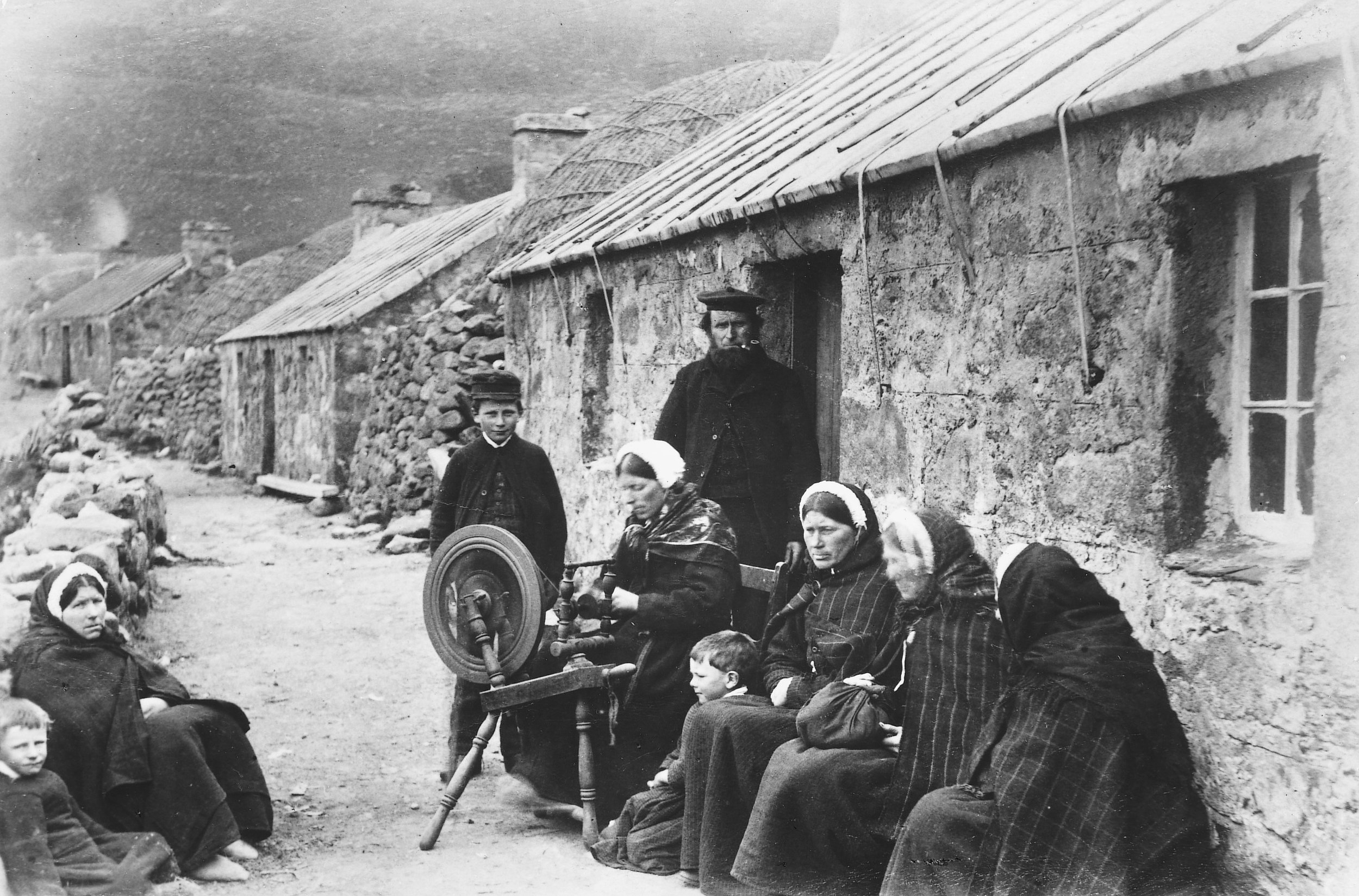
![Black and white photo of a group of people sitting on a dirt street outside stone houses in a rural village. A woman is operating a spinning wheel. Several children and women are seated nearby, some wearing headscarves, and a man stands in the doorway of one of the houses.]()
Learn about St Kilda
-
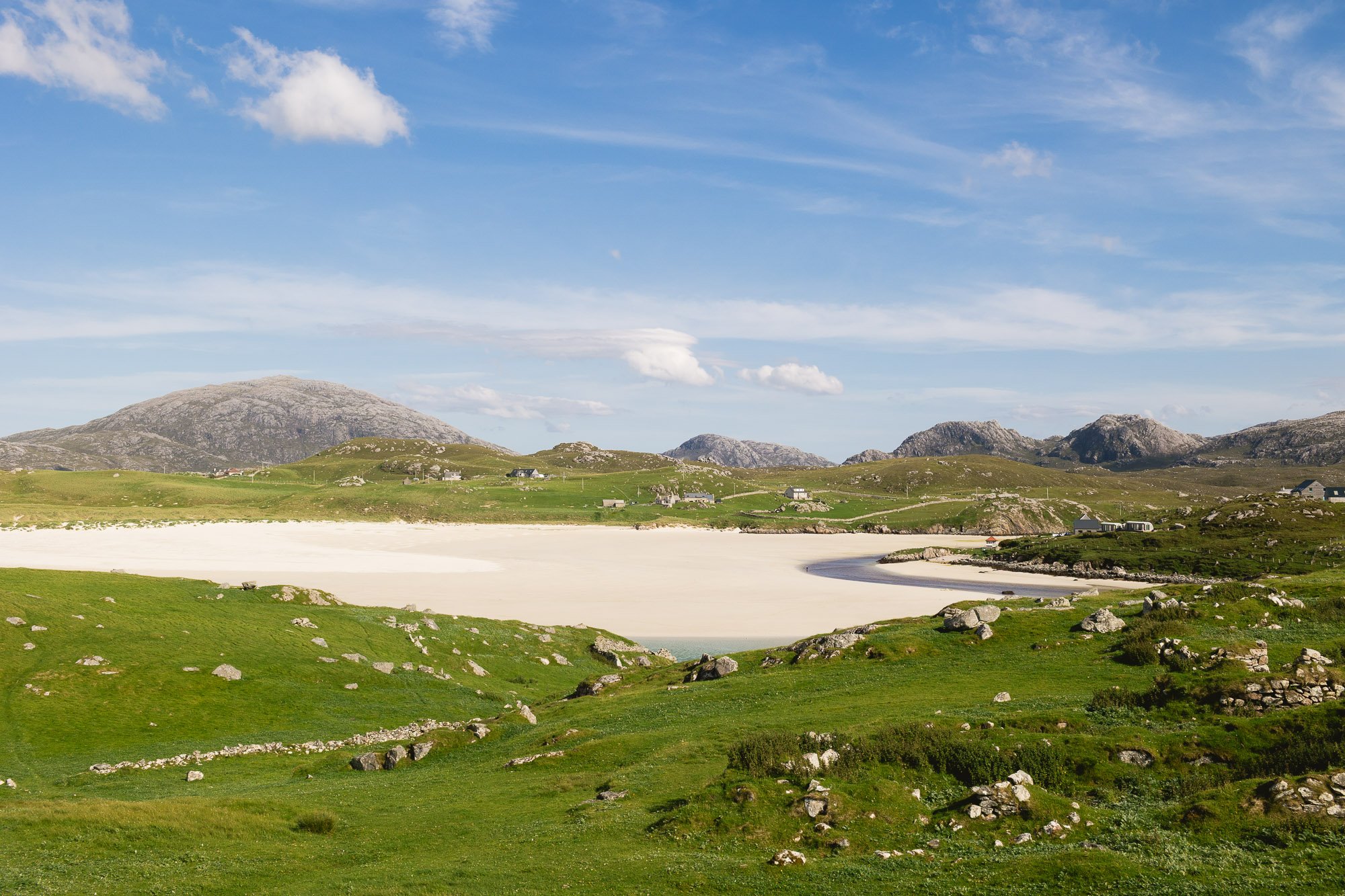
![Views of croft, beach and hills in the background. Uig.]()
Discover Uig
-
![Sunset over the ocean with large sea stacks, one prominent sea stack on the right with sun rays shining through it, and a few birds flying in the sky.]()
Gallery

Short Film: Ionad Hiort at UNESCO Scotland
This short film was produced for the participation of Ionad Hiort | St Kilda Centre in the UNESCO Scotland conference, ‘I Know Where I'm Going: Remote Access to World Heritage Sites from St Kilda to Uluru’ in September 2011, which explored how new media could protect remote world heritage sites, increase public access to remote sites, and enhance the economic benefits from tourism. The film was produced by Design is Central, Glasgow.
Chaidh a’ film seo a dhèanamh airson na co-labhairt, ‘Tha fios agam càit a bheil mi a’ dol: Ruigsinneachd iomallach gu Làraichean Dualchas na Cruinne bho Hiort gu Uluru’ a chaidh a chumail ann an Dùn Èideann air 23 Samhain 2011. Bha a’ cho-labhairt a’ sealltainn mar a dh’fhaodadh teicneòlas ùr cuideachadh le bhith a’ dìon chruthan-tìre cugallach ach aig an aon àm a’ toirt cothrom nas fheàrr don phoball orra, cuide ri buannachdan eaconomach bho thurasachd.
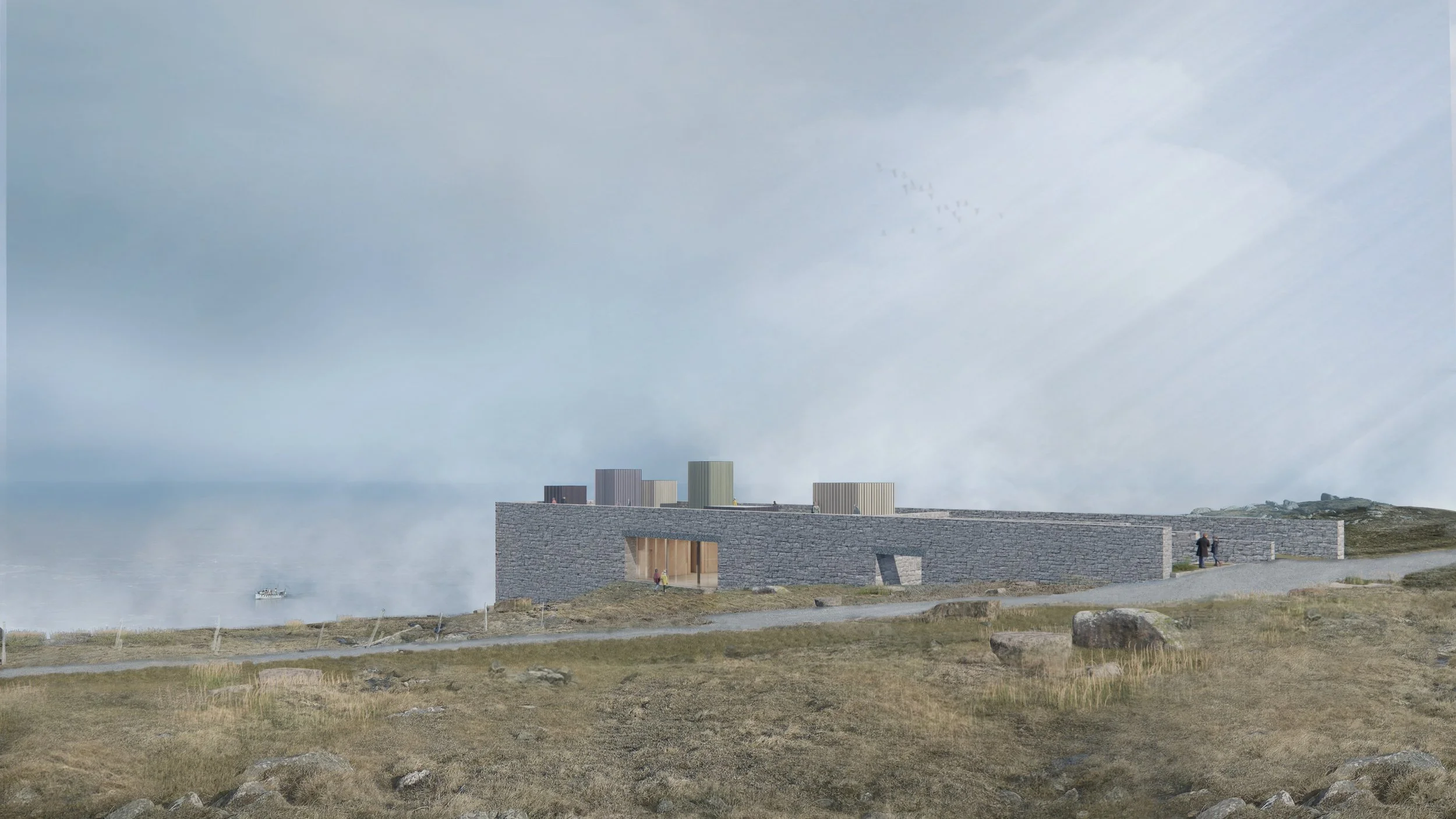
South aspect of proposed Ionad Hiort | St Kilda Centre
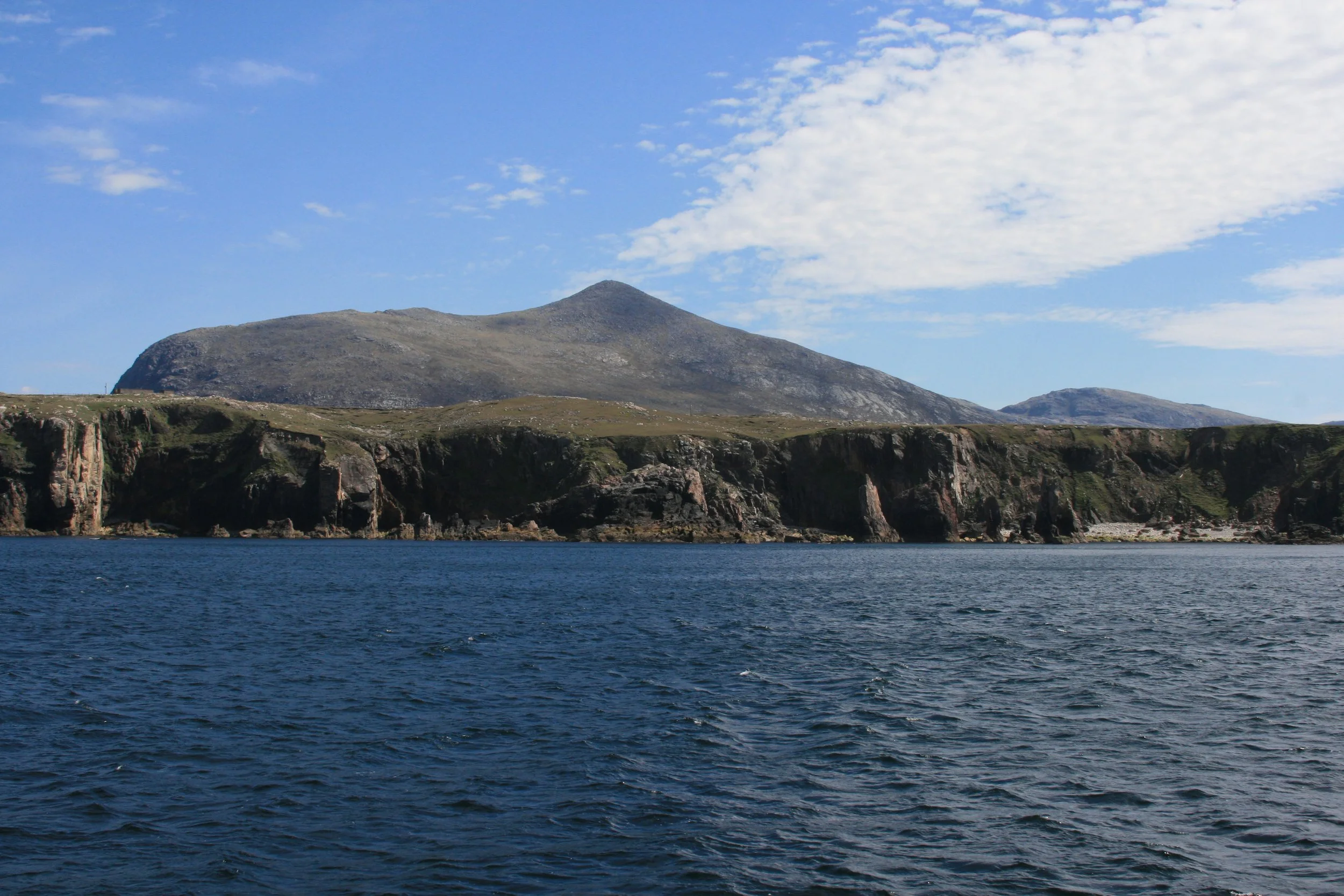
Location of Ionad Hiort | St Kilda Centre
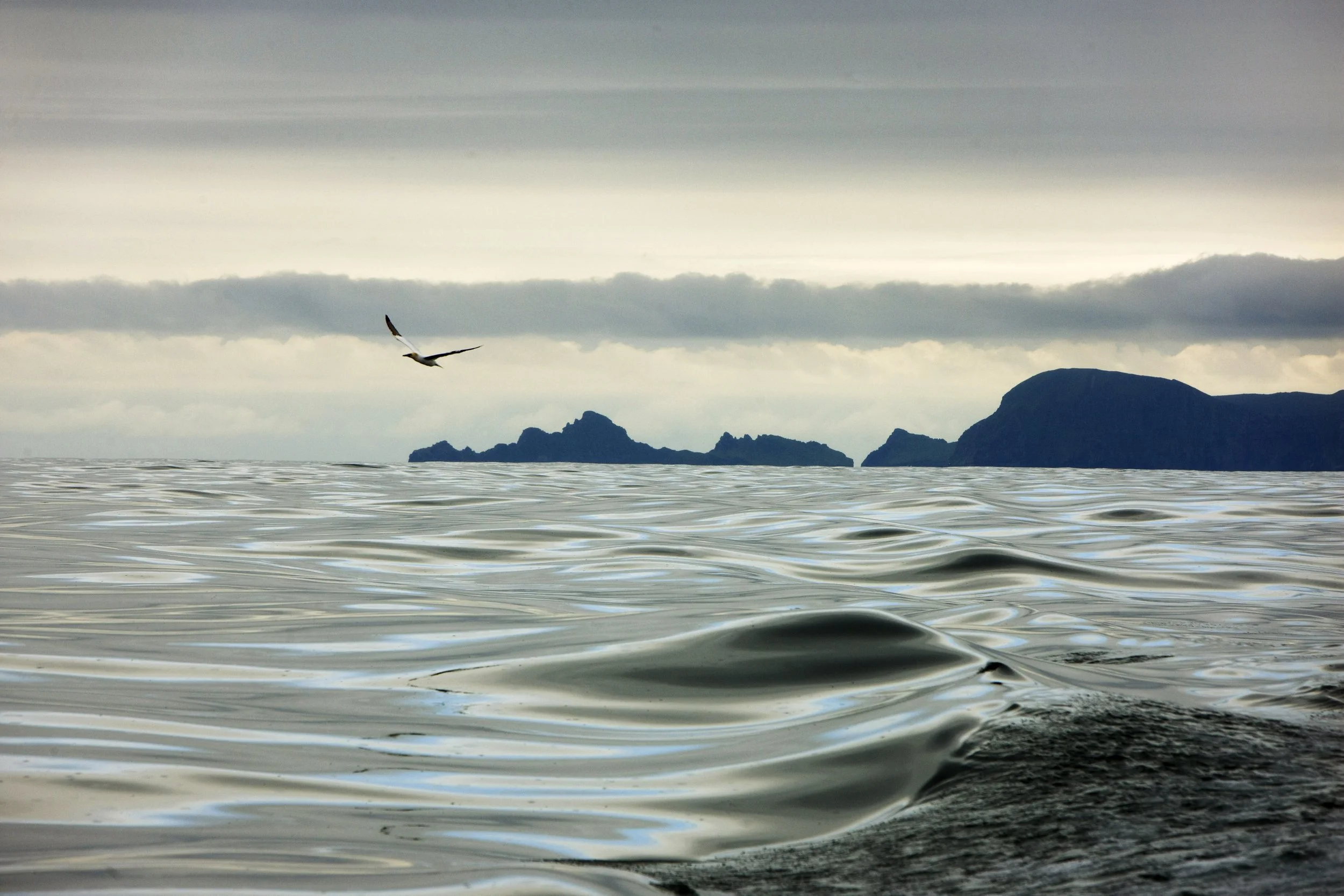
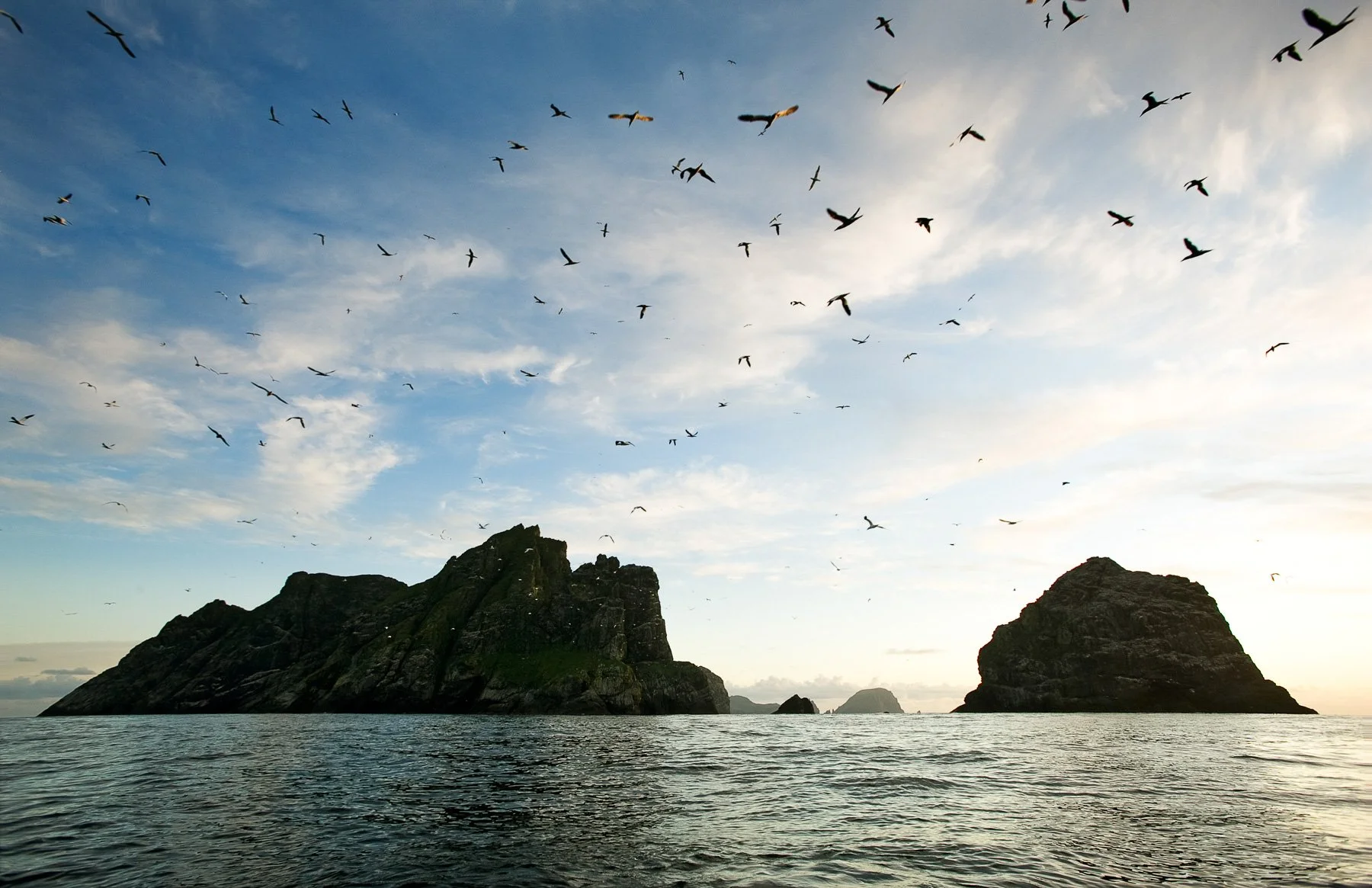
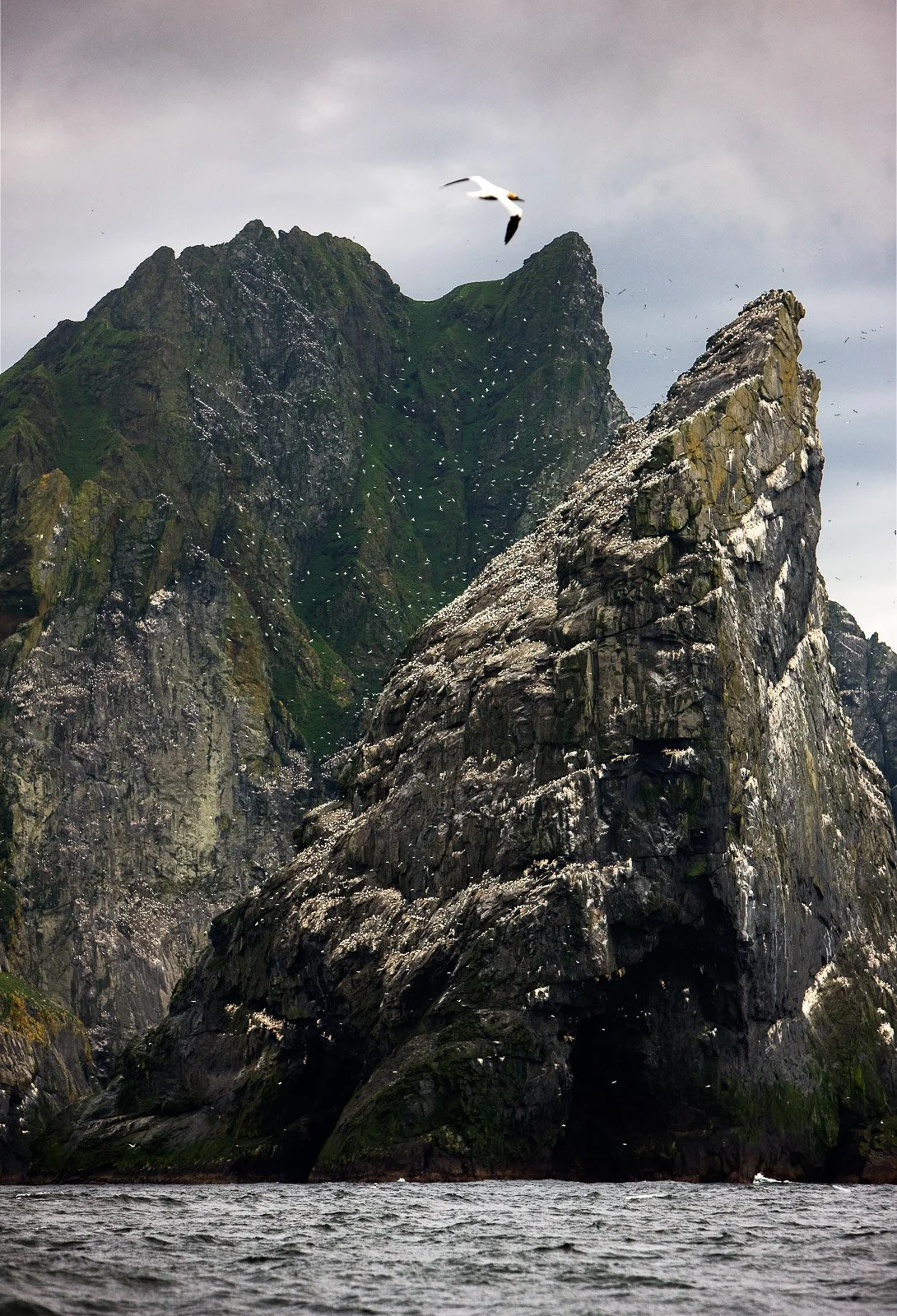
St Kilda, Image by Murdo Macleod
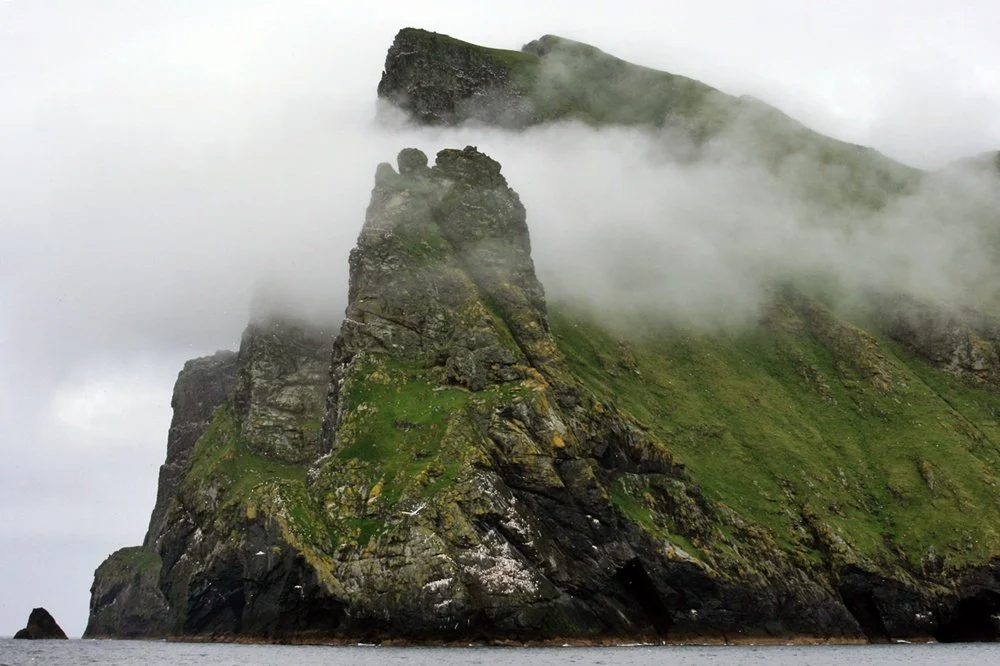
St Kilda, Image by Murdo Macleod
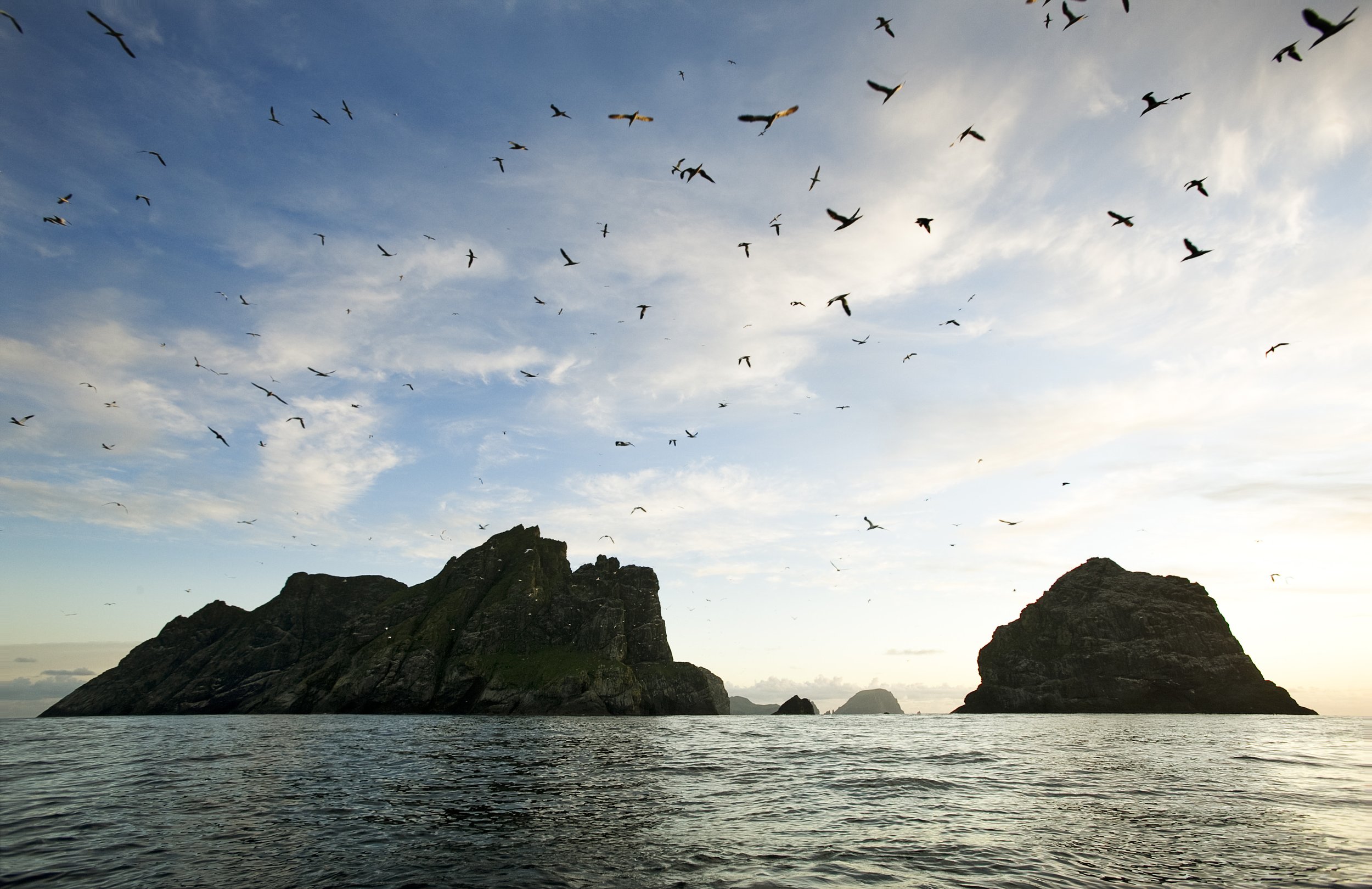
St Kilda, Image by Murdo Macleod
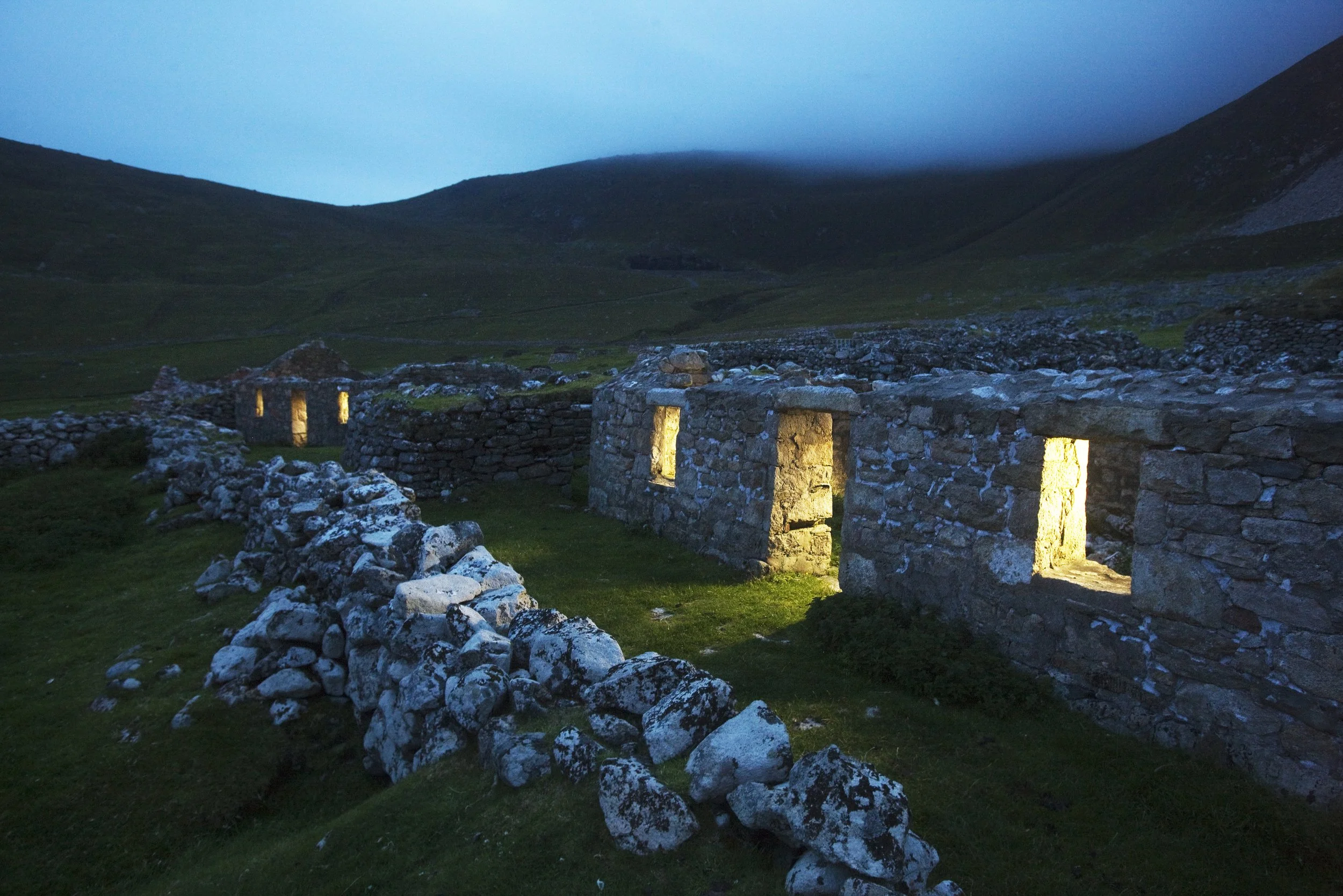
St Kilda, Image by Murdo Macleod
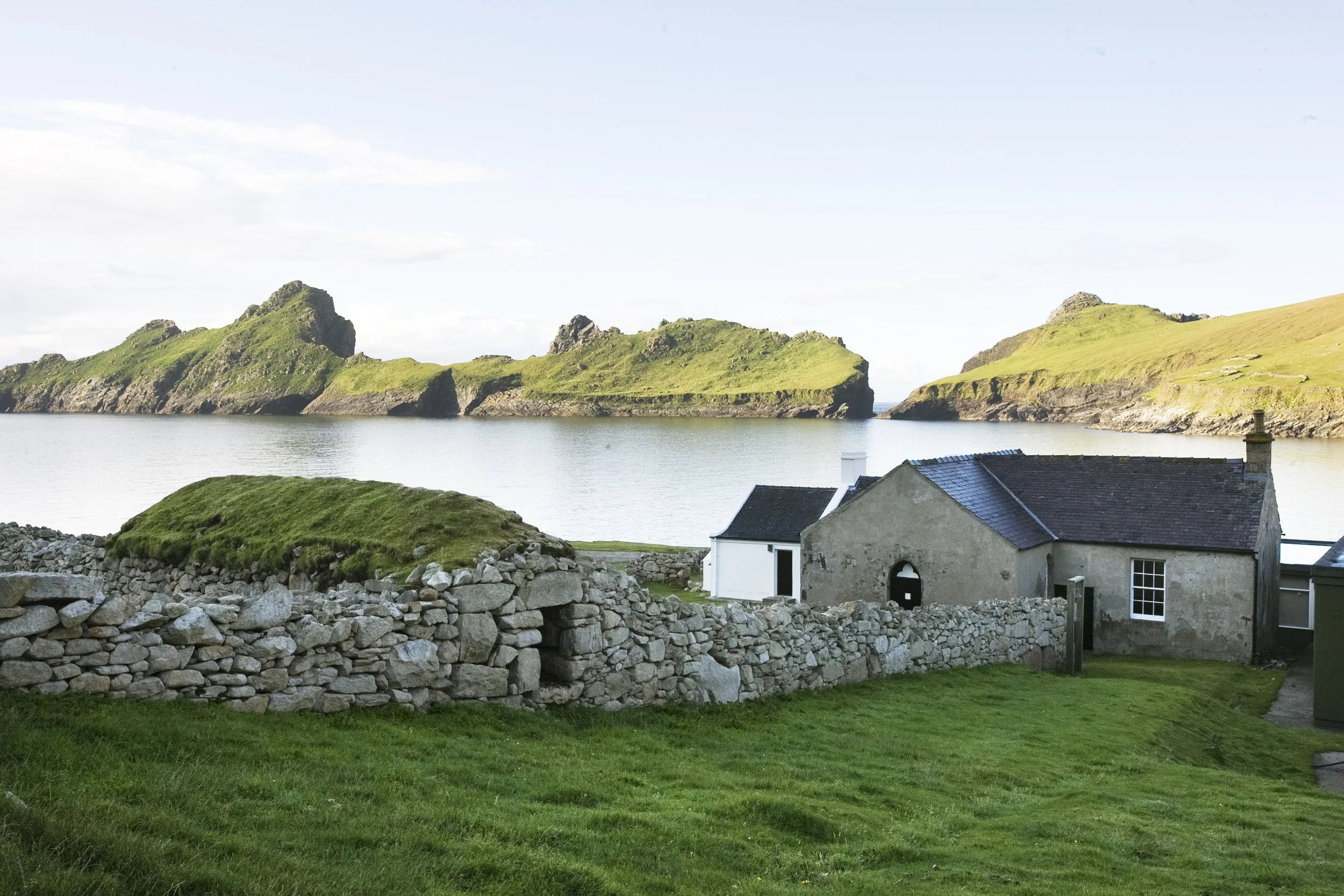
St Kilda, Image by Murdo Macleod
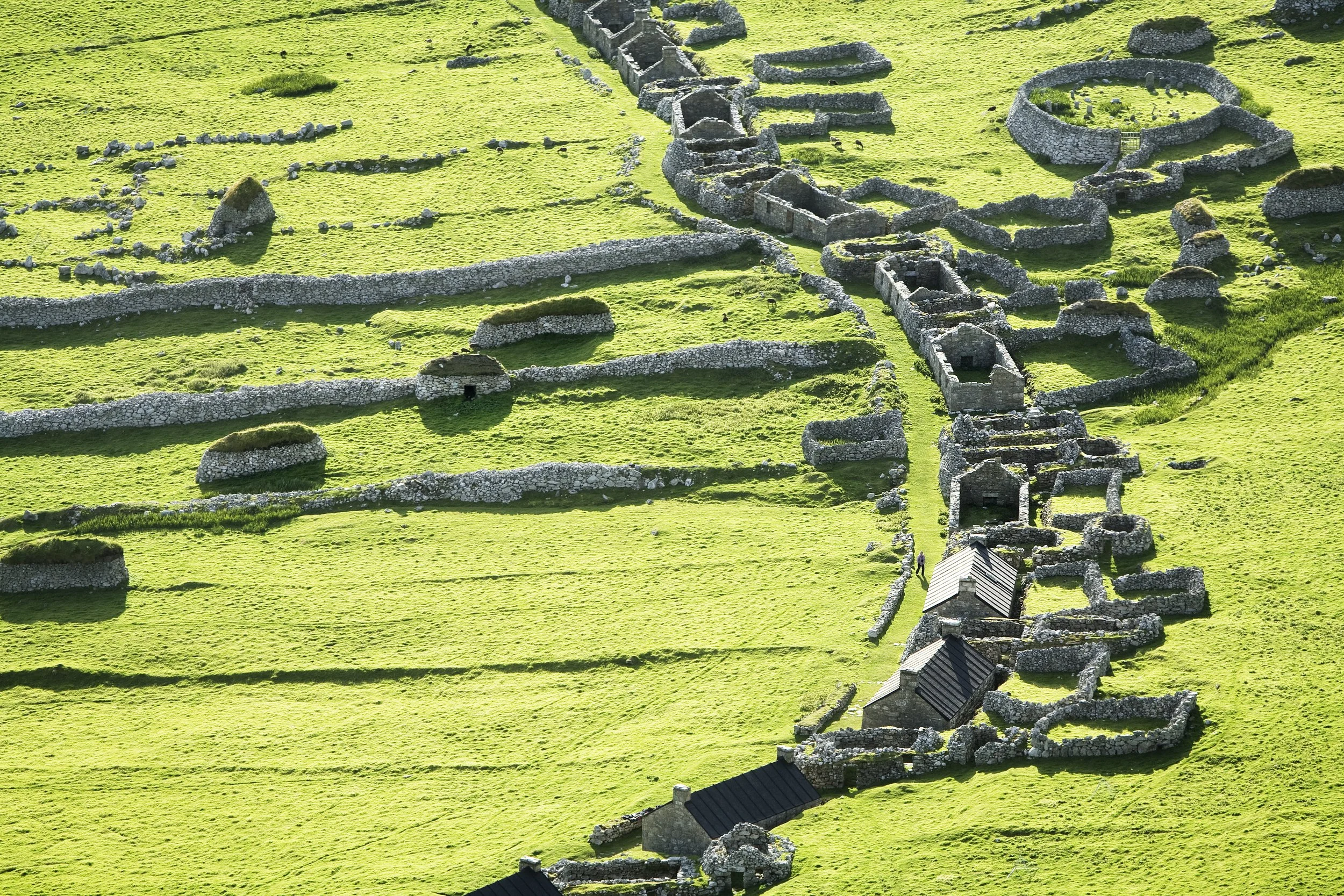
St Kilda, Image by Murdo Macleod
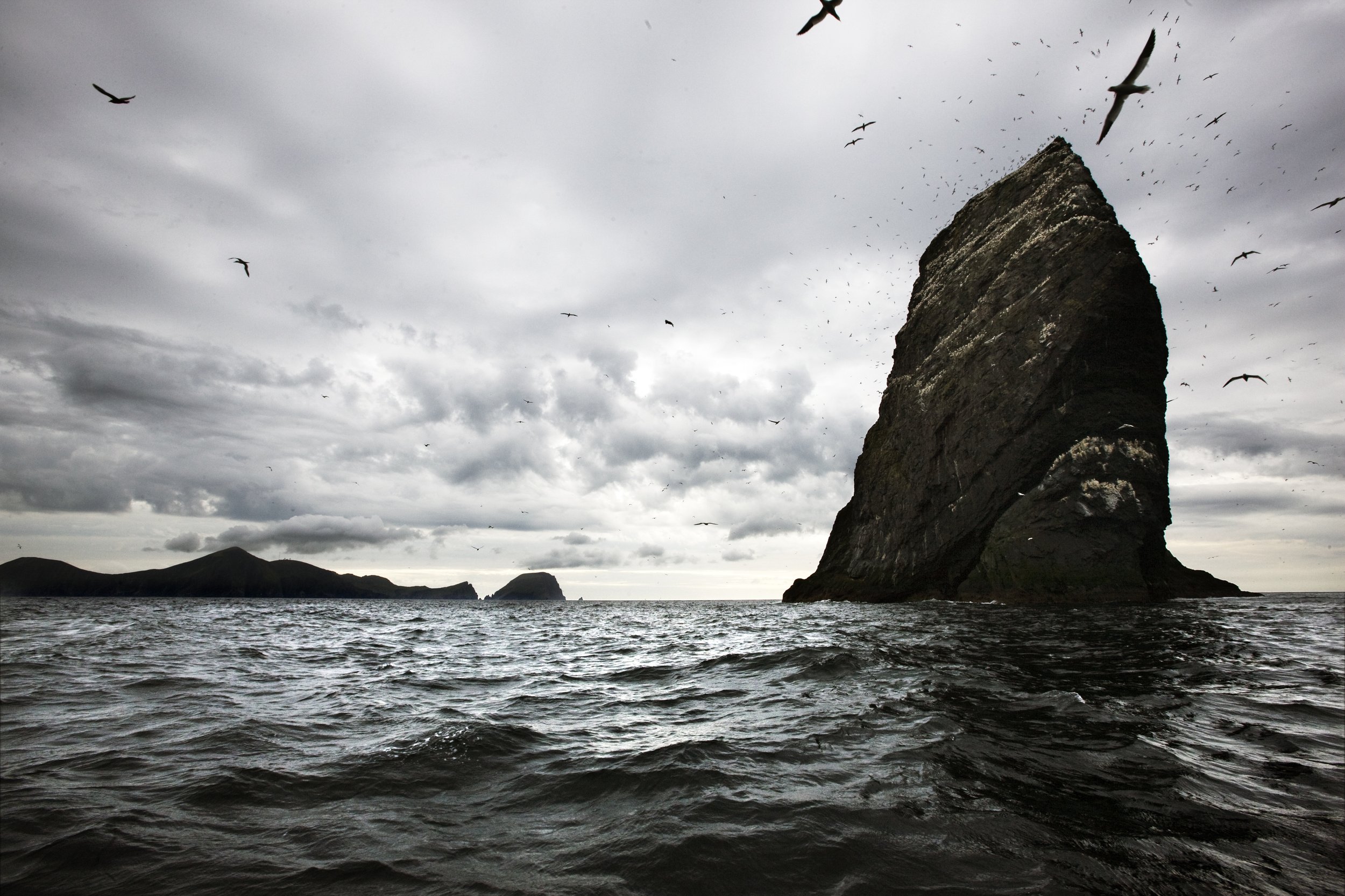
St Kilda, Image by Murdo Macleod
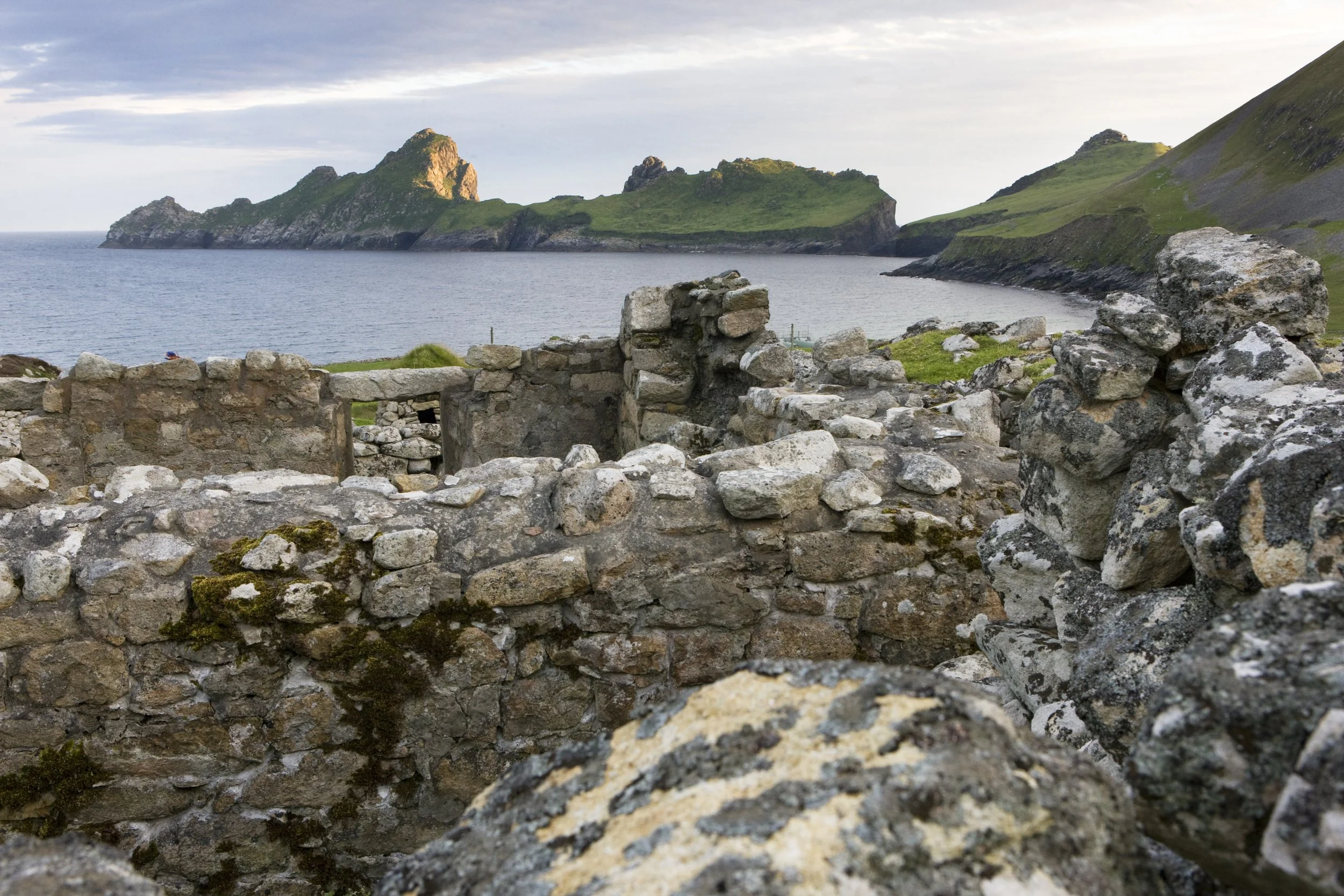
St Kilda, Image by Murdo Macleod
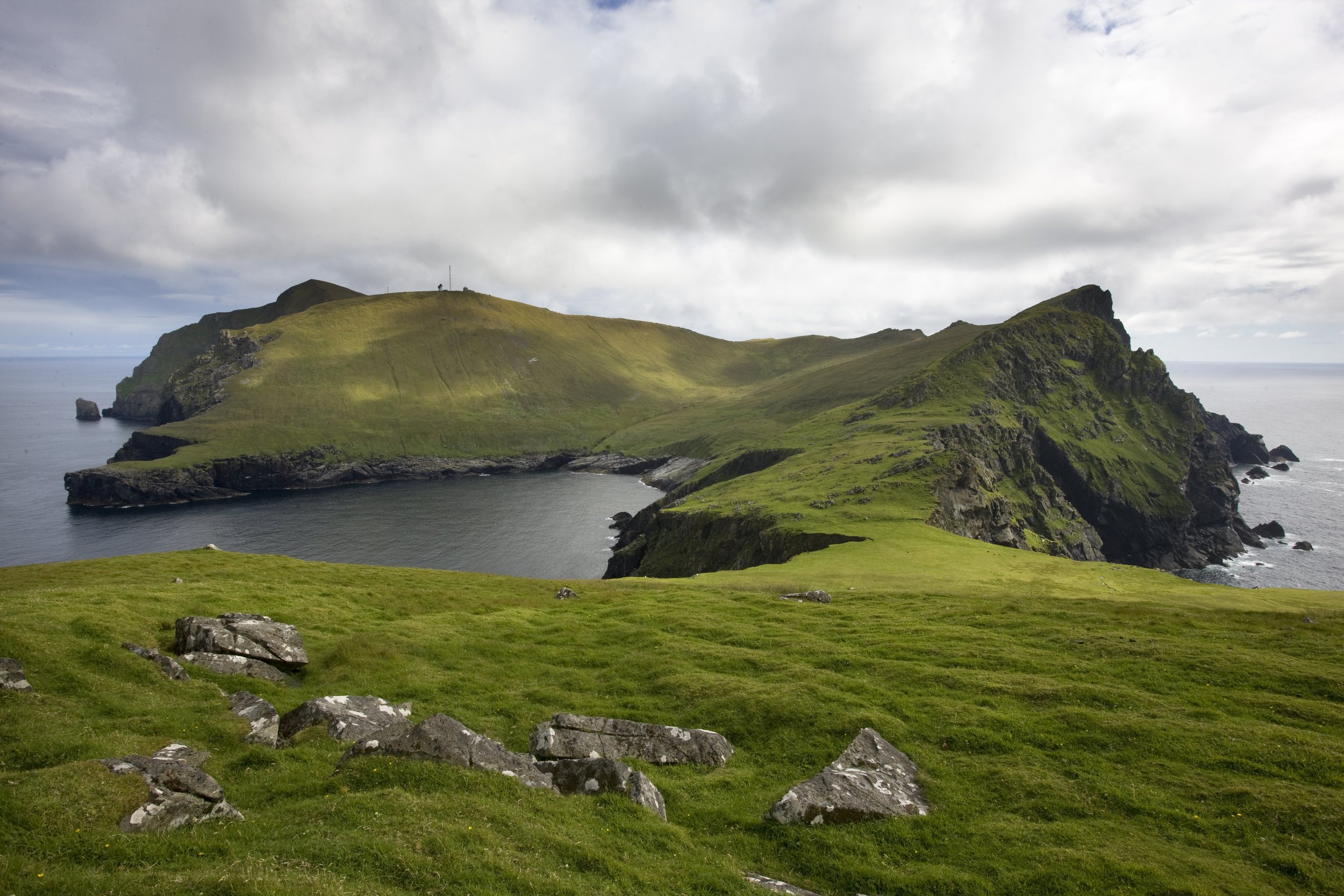
St Kilda, Image by Murdo Macleod
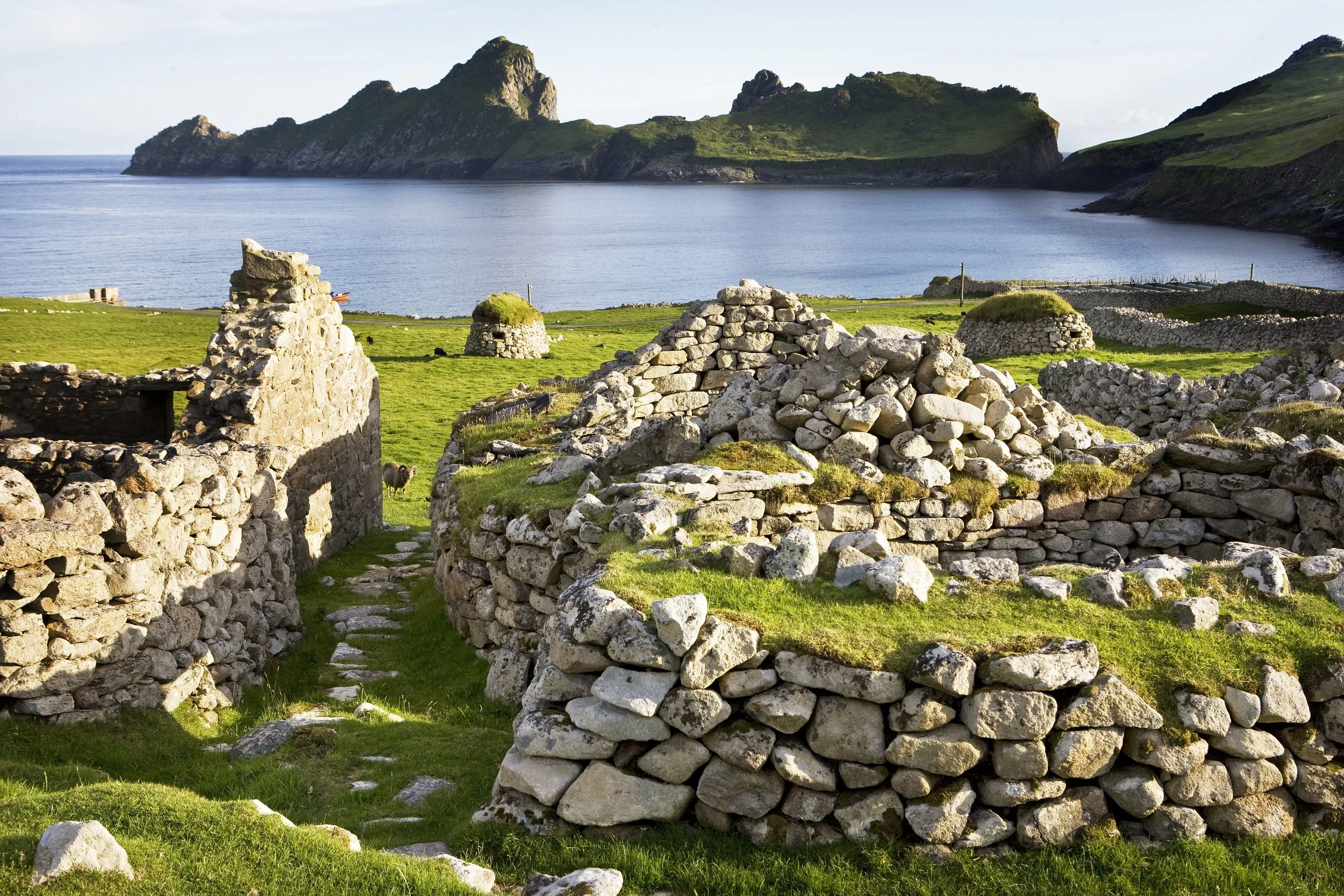
St Kilda, Image by Murdo Macleod
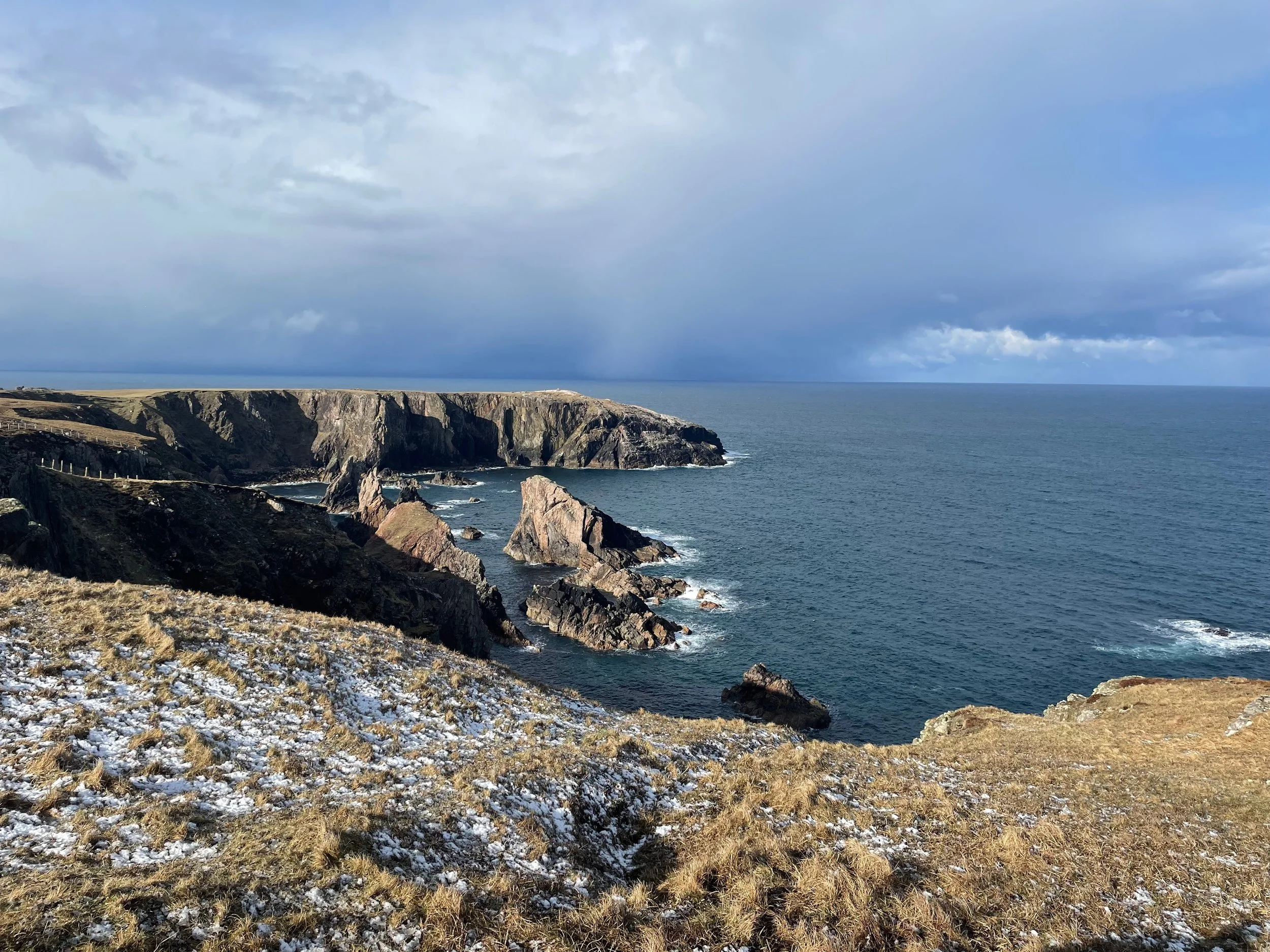
Mangersta, Uig, Isle of Lewis
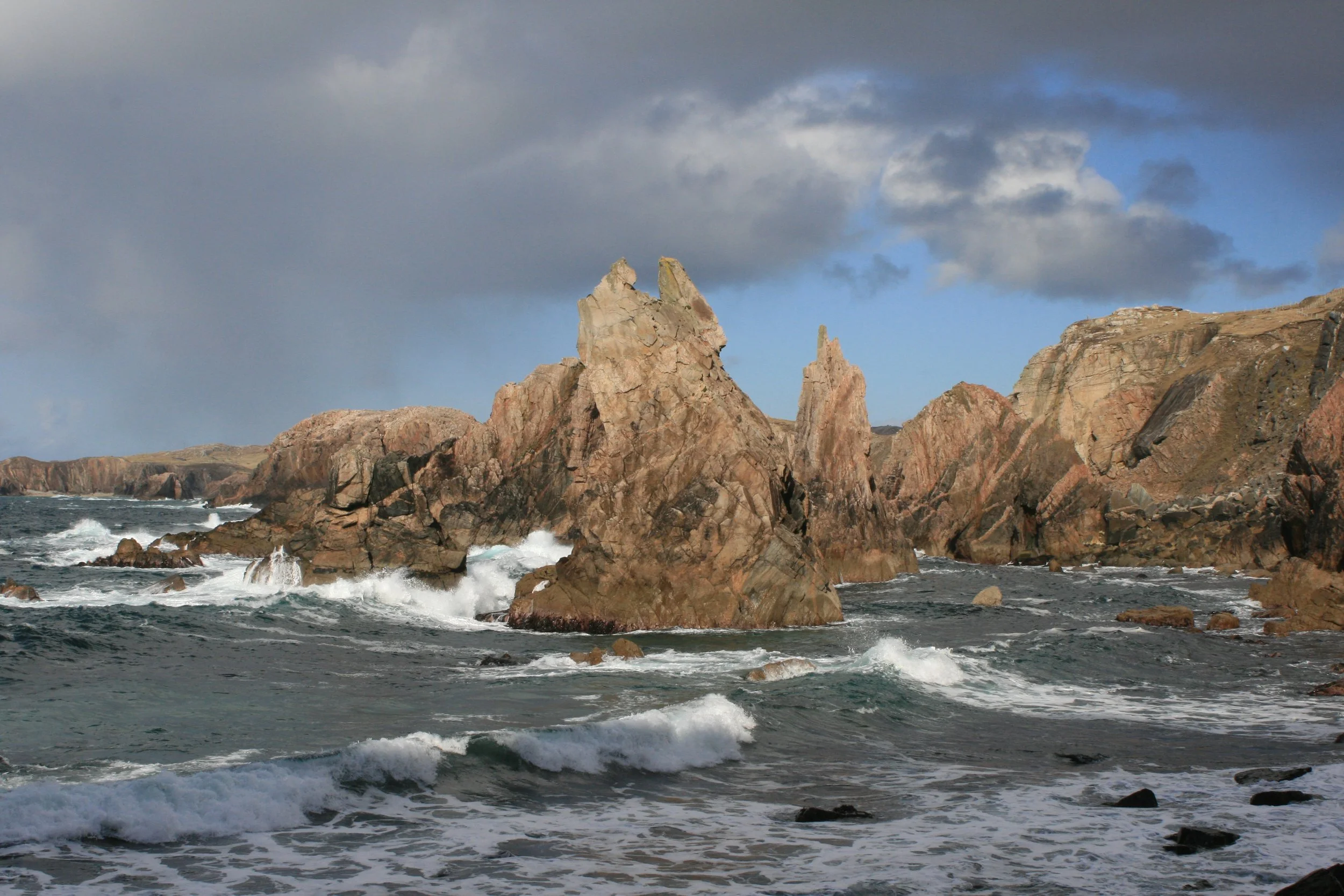
Mangersta, Uig, Isle of Lewis
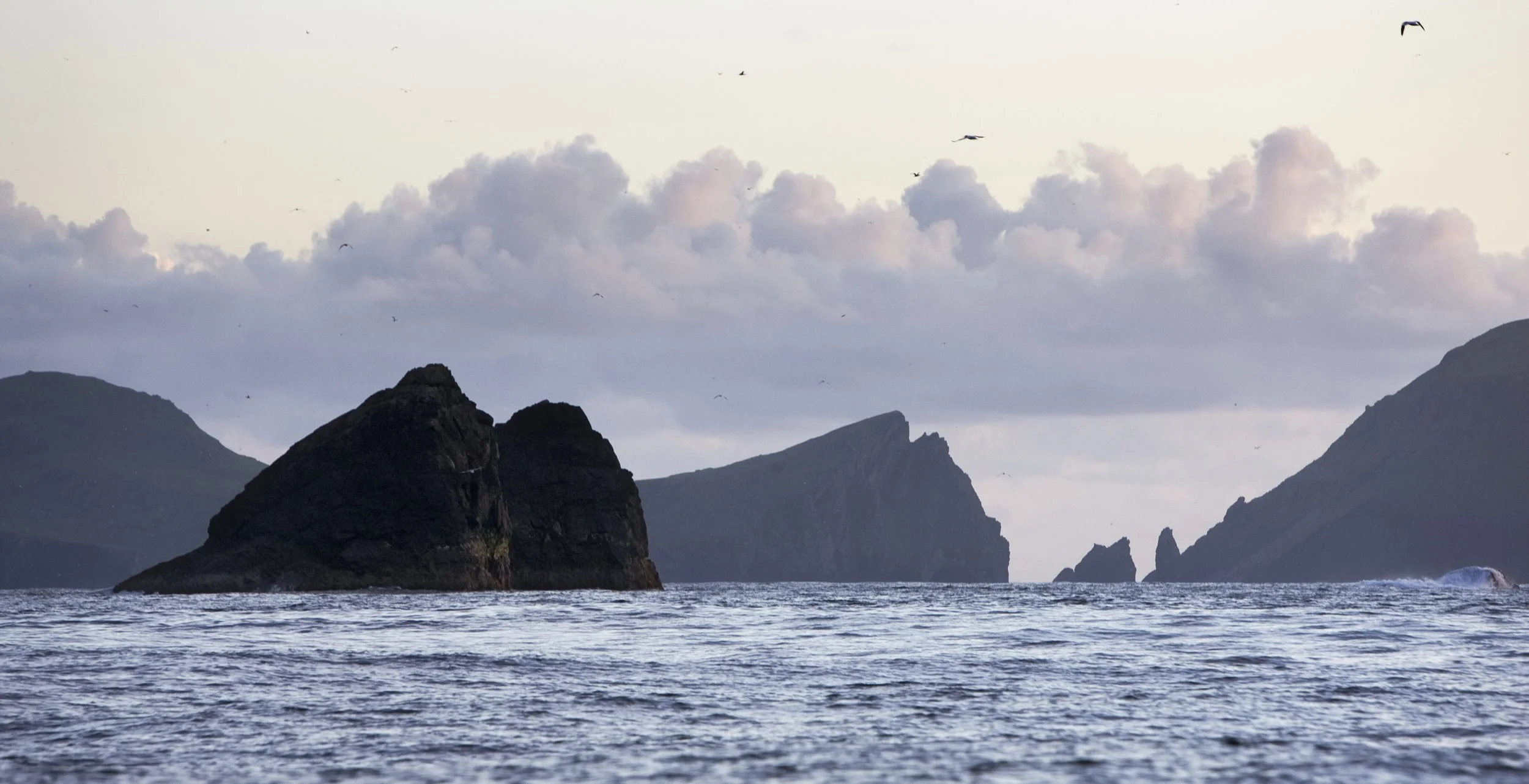
An Ataireachd àrd
An ataireachd bhuan,
cluinn fuaim na h-ataireachd àird;
tha torann a’ chuain
mar chualas leam-s’ e nam phàist,
gun mhùthadh, gun truas,
a’ sluaisreadh gainneamh na tràghad:
an ataireachd bhuan,
cluinn fuaim na h-ataireachd àird.
The eternal swell,
listen to the sound of the mighty swell;
the ocean’s thunder
is as I heard it when I was a child,
changelessly, pitilessly,
breaking against the sands of the shore: the eternal swell,
listen to the sound of the mighty swell.
Le Dòmhnall Iain Ruaidh/ Donald MacIver. For Gaelic original and English translation see Gilles, A.L. (2006) Songs of Gaelic Scotland, Birlinn, Edinburgh.