Learn about St Kilda
A place of wild beauty, deep history and enduring fascination.
Cha tàinig cladach a-riamh gun làn às a dhèidh
A shore never came without a full tide after
About St Kilda | Mu Hiort
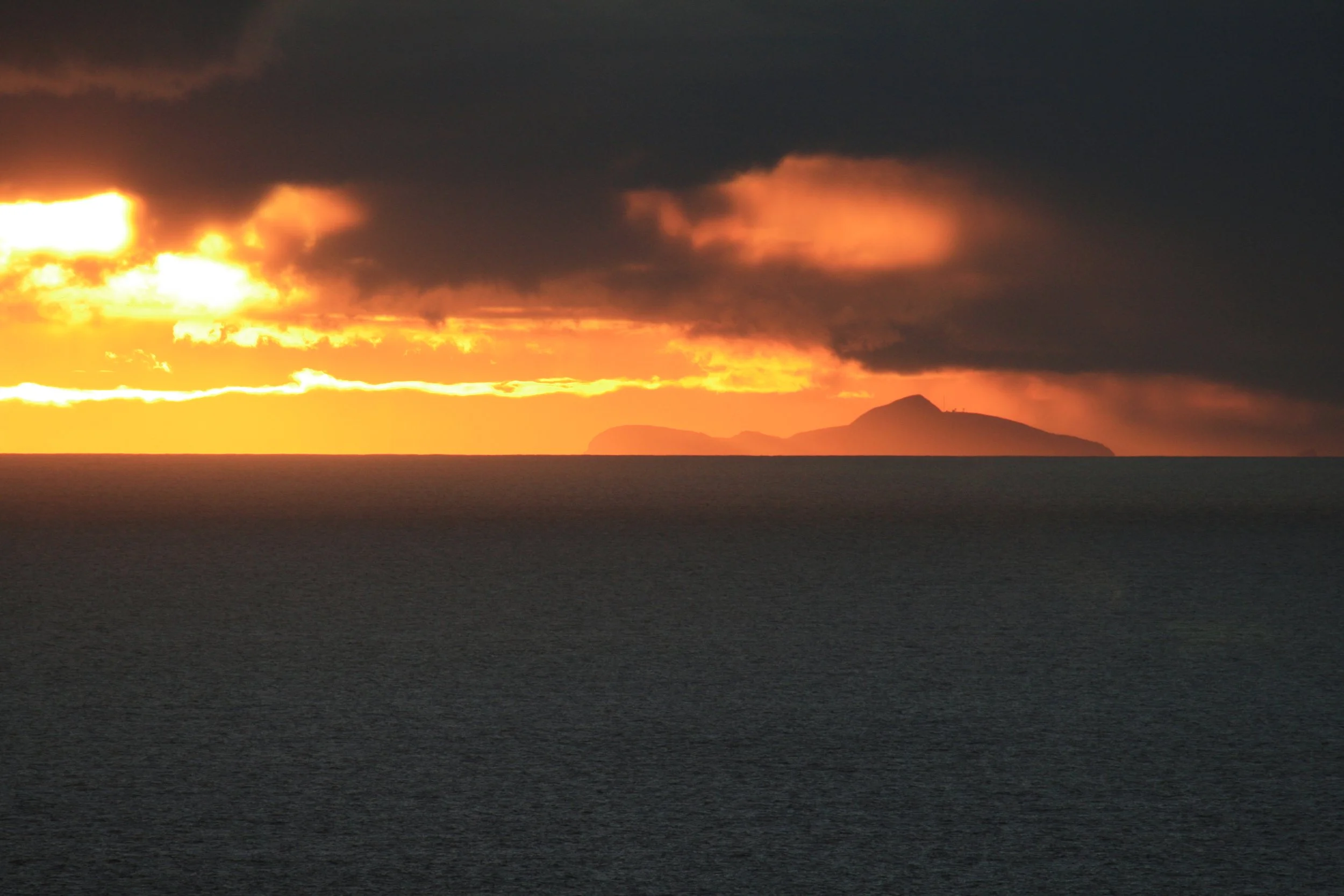
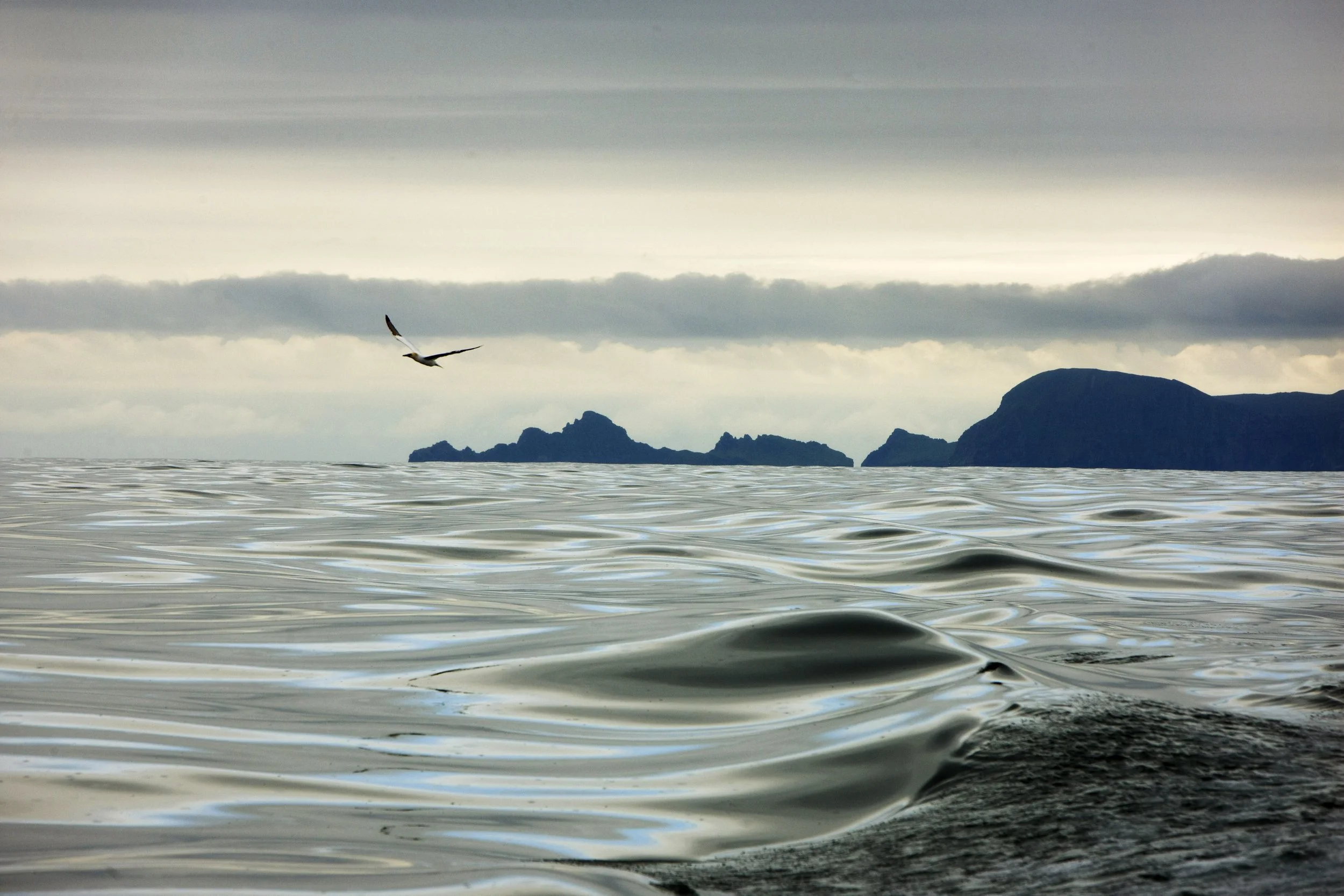
Lying some 40 miles west of the Outer Hebrides, St Kilda is one of the most remote and extraordinary places in the British Isles. Its dramatic cliffs, sea stacks and Atlantic weather have shaped both the landscape and the lives of those who once lived there.
One of the best ways to get a true sense of St Kilda is through its voices, songs and sounds. From stories of daily life to traditional music echoing across the islands. Follow this link to hear more.
Scroll down to discover even more stories and insights about life on the islands, from everyday life to extraordinary moments in this unique landscape.
A’ laighe mu 40 mìle an iar air na h-Eileanan Siar, tha Hiort mar aon de na h-àiteachan as iomallaiche agus as iongantaiche ann am Breatainn.Tha creagan glòrmhor Hiort, na stacannan-mara agus aimsir a’ Chuain Shiar air cumadh a thoirt air an dà chuid cruth-tìre agus beatha nan daoine a bha uaireigin a’ fuireach ann.
Is ann tro ghuthan, òrain agus fuaimean nàdarra an eilein a gheibhear aon de na dòighean as fheàrr gus fìor thuigse fhaighinn air Hiort. Bho sgeulachdan mu bheatha làitheil gu ceòl traidiseanta a’ seirm air feadh nan eileanan. Lean an ceangal seo gus barrachd a chluinntinn. Sgrolaich sìos gus barrachd sgeulachdan agus dol a-steach fhaighinn mu bheatha air na h-eileanan, bho bheatha làitheil gu amannan iongantach san t-sealladh-tìre nach fhacas a shamhail.
St Kilda - A Brief History
Hiort - Eachdraidh Ghoirid
Way of Life | Dòigh-beatha
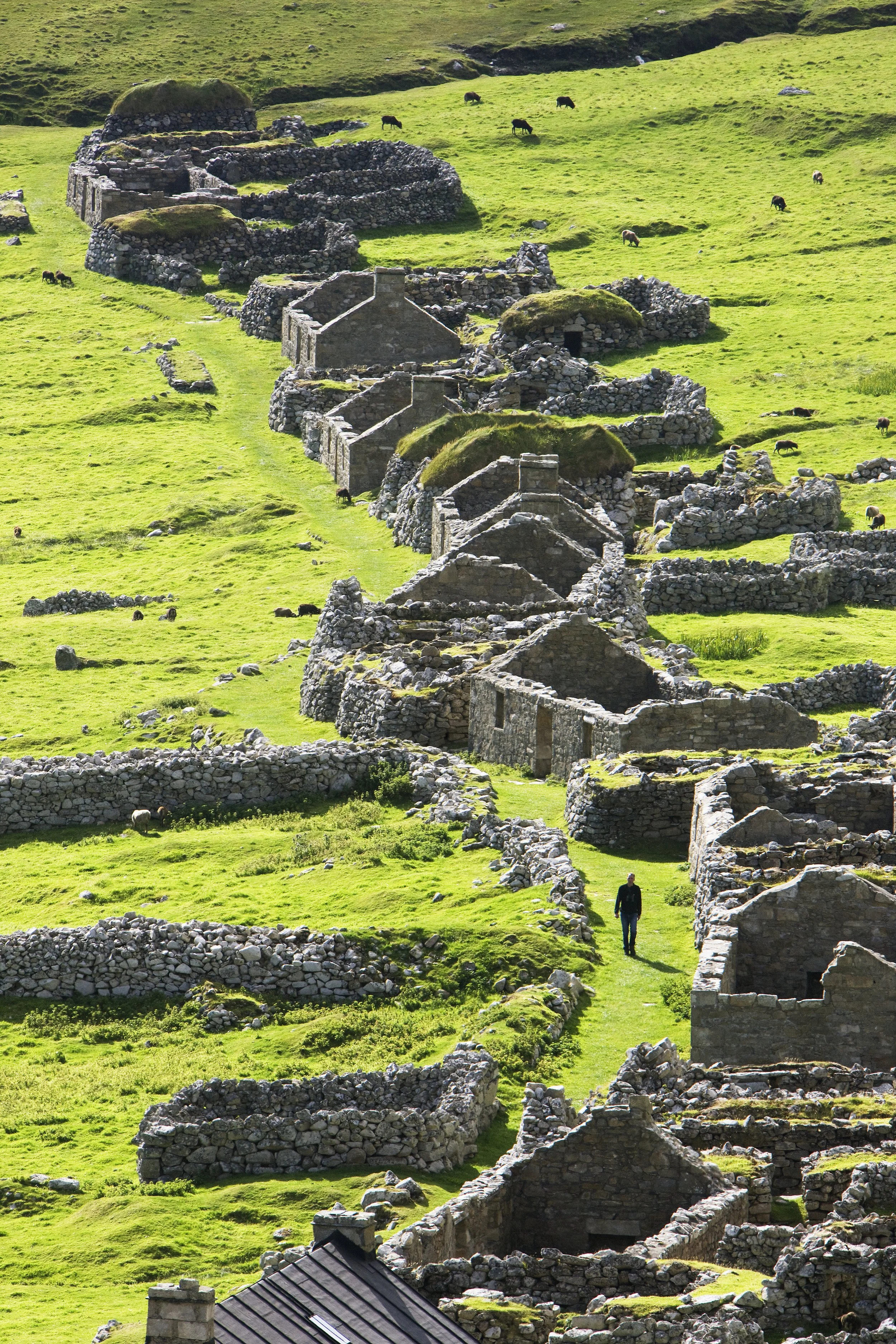
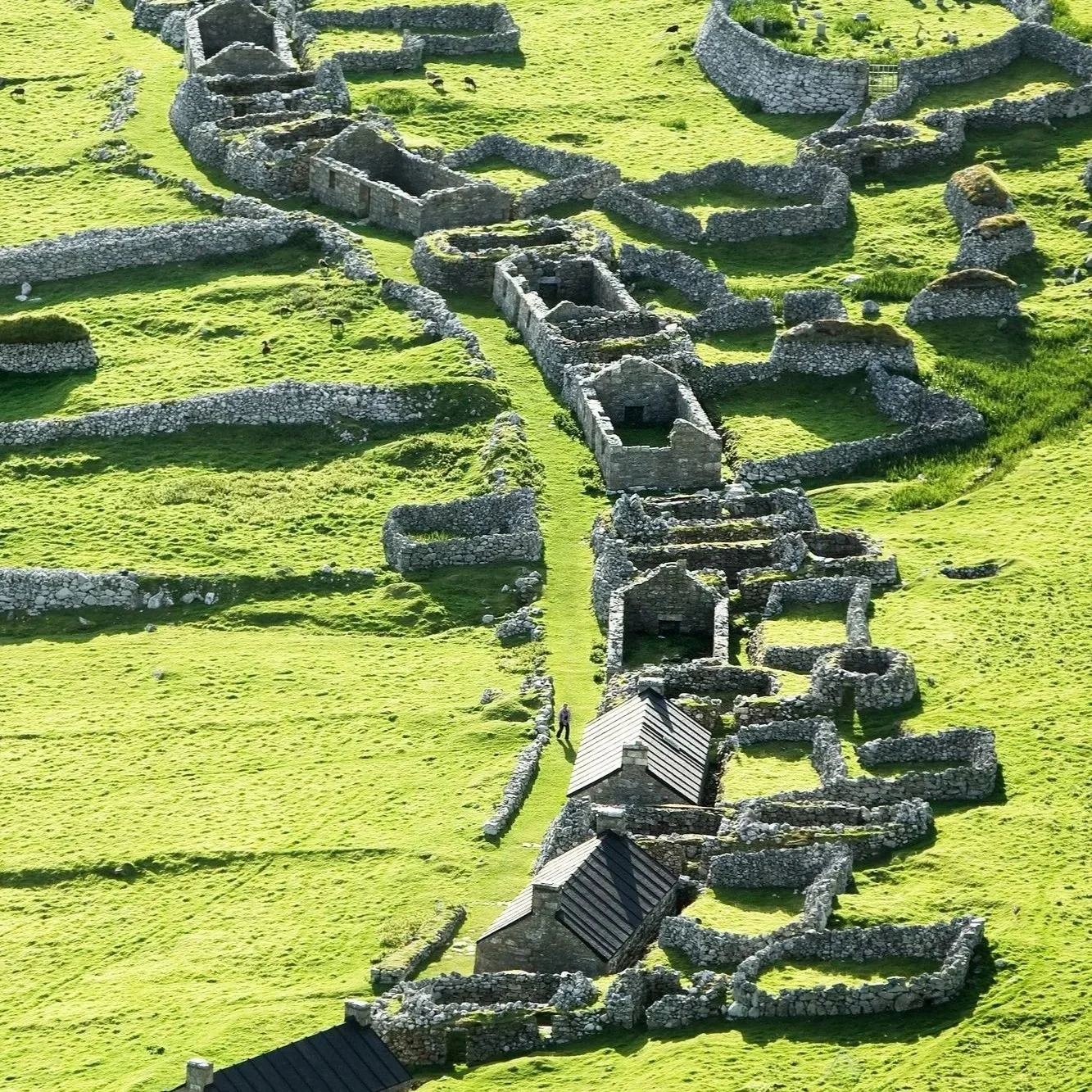
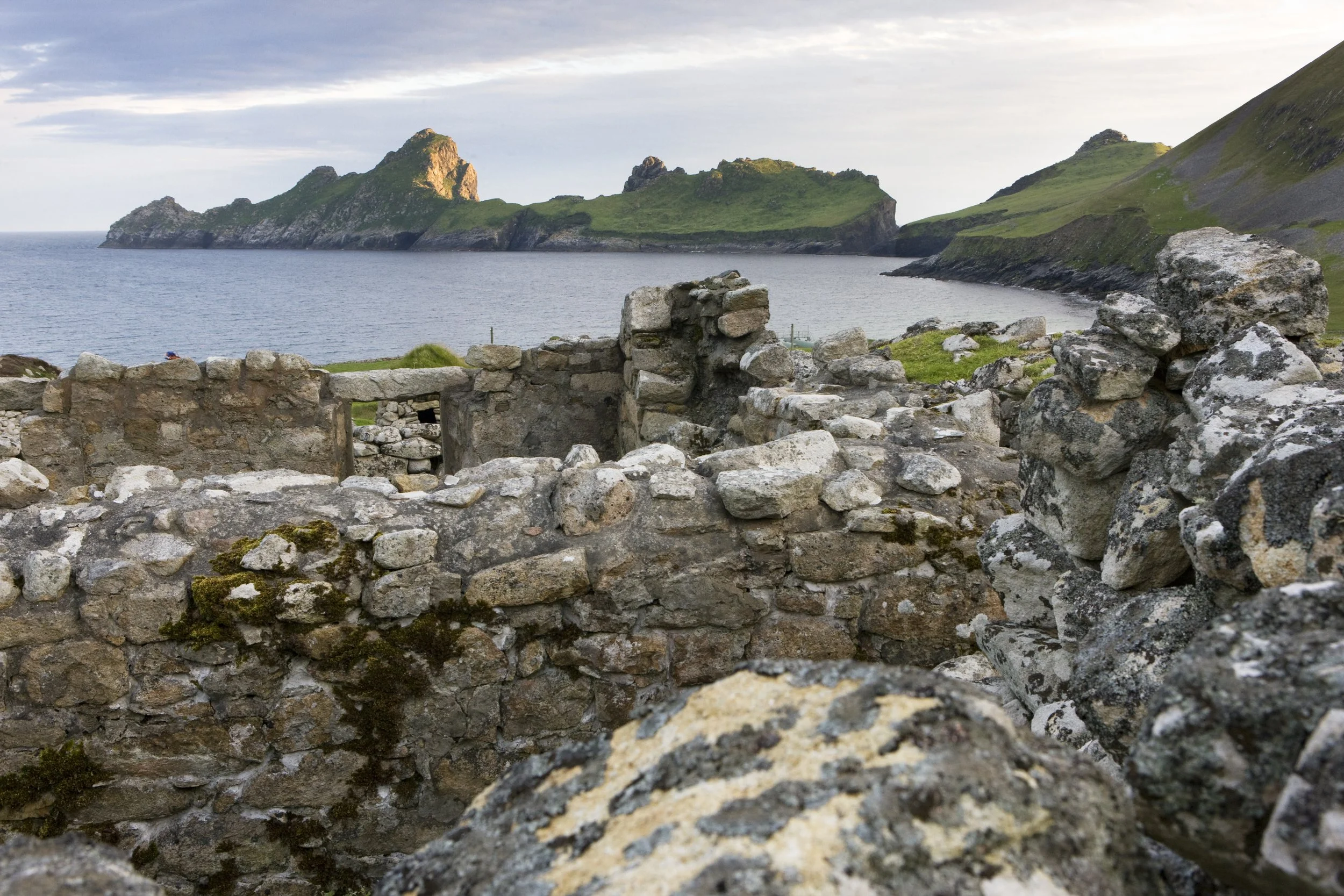
For at least two millennia, a small community lived on Hirta, the main island of the St Kilda group. Life on Hirta was shaped by what the islands could provide and the community learned to live closely with the sea, the land and the birds that surrounded them. Freshwater springs made settlement possible, while fulmars and other seabirds were essential for food and fuel.
Airson co-dhiù dà mhìle bliadhna, bha coimhearsnachd bheag a’ fuireach air prìomh eilean innis-mhara Hiort. Thar ùine chaidh an sluagh a chumail beò le bhith a’ cleachdadh na bha ri fhaighinn mun timcheall, anns a’ mhuir, air tìr agus a’ sealg nan eun-mara a bha air na creagan nam mìltean. Rinn fuarain uisge ùr àite-tuineachaidh so-dhèanta agus bha na fulmairean agus eòin-mhara eile do-sheachnaichte feumail airson am beathachadh.
Food and Diet | Biadh agus beathachadh
Meals were simple and seasonal - seabird eggs and salted fowl in summer, salted mutton in winter, with occasional supplies like tea and flour arriving by boat. But life here was fragile. Weather could wipe out food stores overnight, as it did in 1885 when storms destroyed the island’s stored crops. Facing starvation, a plea for help was sent off in a tiny wooden ‘mail boat’, eventually reaching Harris and bringing relief just in time.
Bha biadh sìmplidh agus ràitheil – uighean agus feòil eun-mara le nithean eile bho àm gu àm, mar thì is flùr a’ tighinn air na tràlairean agus na h-eathraichean eile a bhiodh a’ tadhal air na h-eileanan. Ach bha beatha an seo cugallach. Dh’fhaodadh an aimsir stòran bìdh a sguabadh às thar oidhche, mar a thachair ann an 1885 nuair a sgrios stoirmean toradh stòraichte an eilein. Le aghaidh air acras, chaidh tagradh airson cobhair a chur a-mach ann am ‘bàta-puist’ beag fiodha, agus mu dheireadh ràinig e na Hearadh agus thàinig faochadh dìreach ann an àm.
Co-operation and Community | Co-obrachadh agus Coimhearsnachd
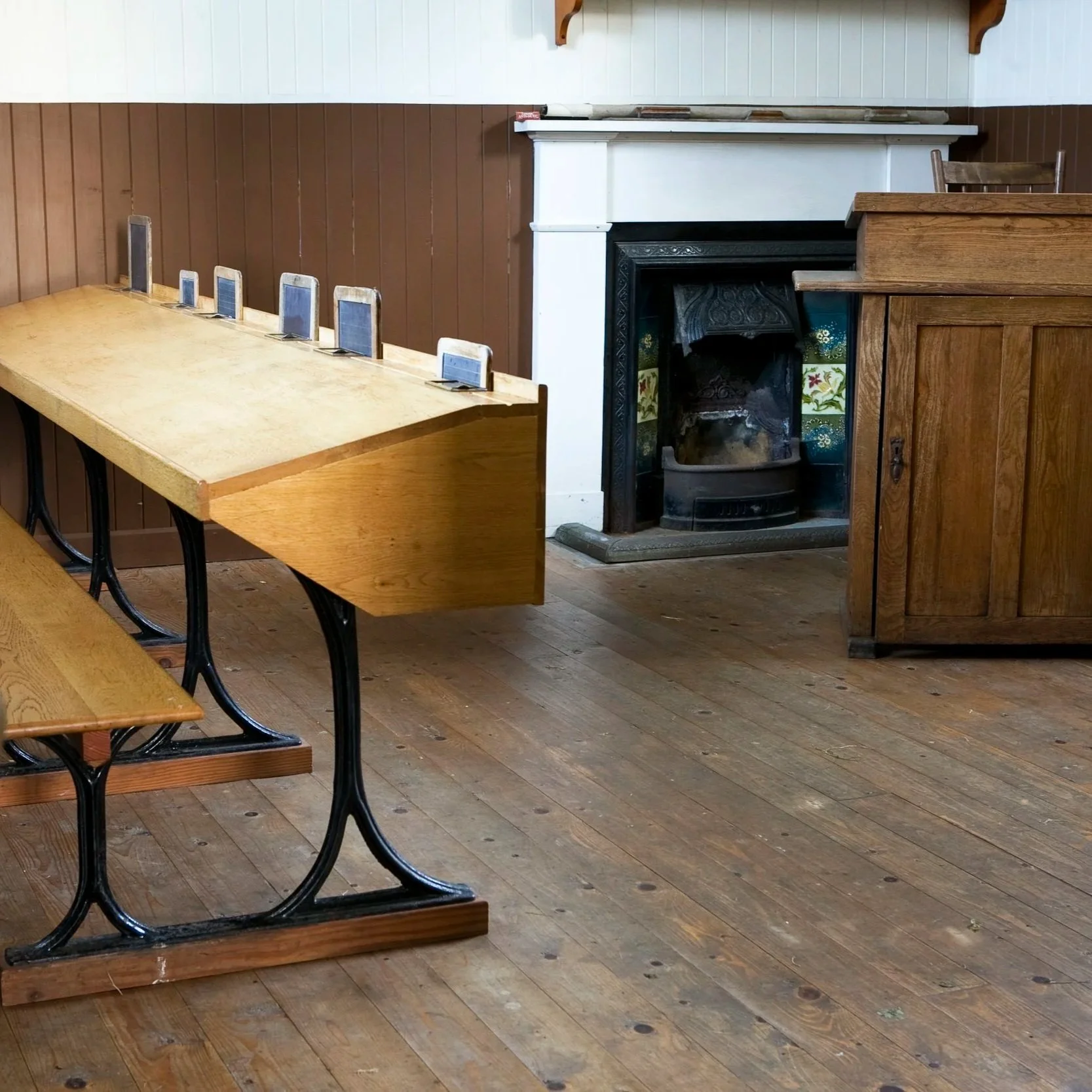
The people of Hiort created their own systems of cooperation and governance, famously meeting in the ‘Village Parliament’ to decide daily matters. In 1930, facing hardship, illness and changing economic pressures, the final 36 residents chose to leave their home.
Chruthaich muinntir Hiort na siostaman co-obrachaidh agus riaghlaidh aca fhèin, a’ coinneachadh gu h-ainmeil ann am ‘Pàrlamaid an Eilein’ gus co-dhùnaidhean a dhèanamh air cùisean làitheil. Ann an 1930, le cruadal, tinneas agus cuideaman eaconamach, dh’aontaich an 36 neach-còmhnaidh mu dheireadh an dachaigh fhàgail.
The Evacuation | Am Falmhachadh
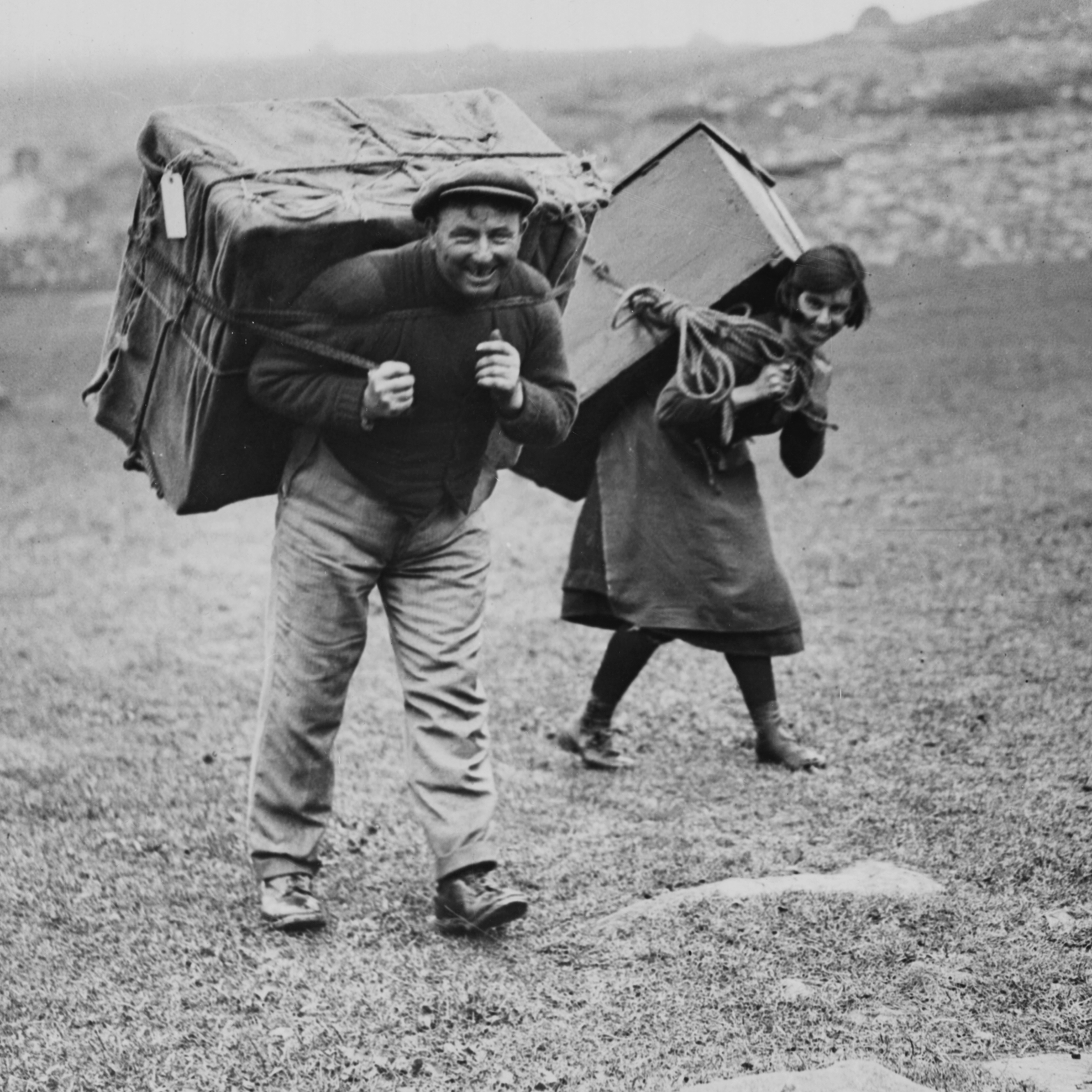
By 1930, only 36 people remained on St Kilda and life had become too difficult to sustain. Harsh winters, dwindling resources and limited medical care left the community increasingly vulnerable. After petitioning for help, the islanders were evacuated on 29 August 1930, marking the end of a centuries-old way of life and the beginning of new lives on the mainland. Learn more about the evacuation here.
Ann an 1930, cha robh ach 36 neach air fhàgail anns an eilean, is bha beatha agus bith-beò air fàs ro dhoirbh. Dh’fhàg geamhraidhean cruaidh goireasan a’ crìonadh agus cùram euslainteach gann, a’ dèanamh na coimhearsnachd eadhon nas anmhainne. Às dèidh dhaibh athchuinge iarraidh airson cuideachadh, chaidh muinntir an eilein fhalmhachadh air 29 Lùnastal 1930, a’ comharrachadh deireadh dòigh-beatha a mhair linntean agus toiseach beatha ùr air tìr-mòr. Ionnsaich tuilleadh mun fhalmhachadh an seo.
Custodians | Luchd-gleidhid
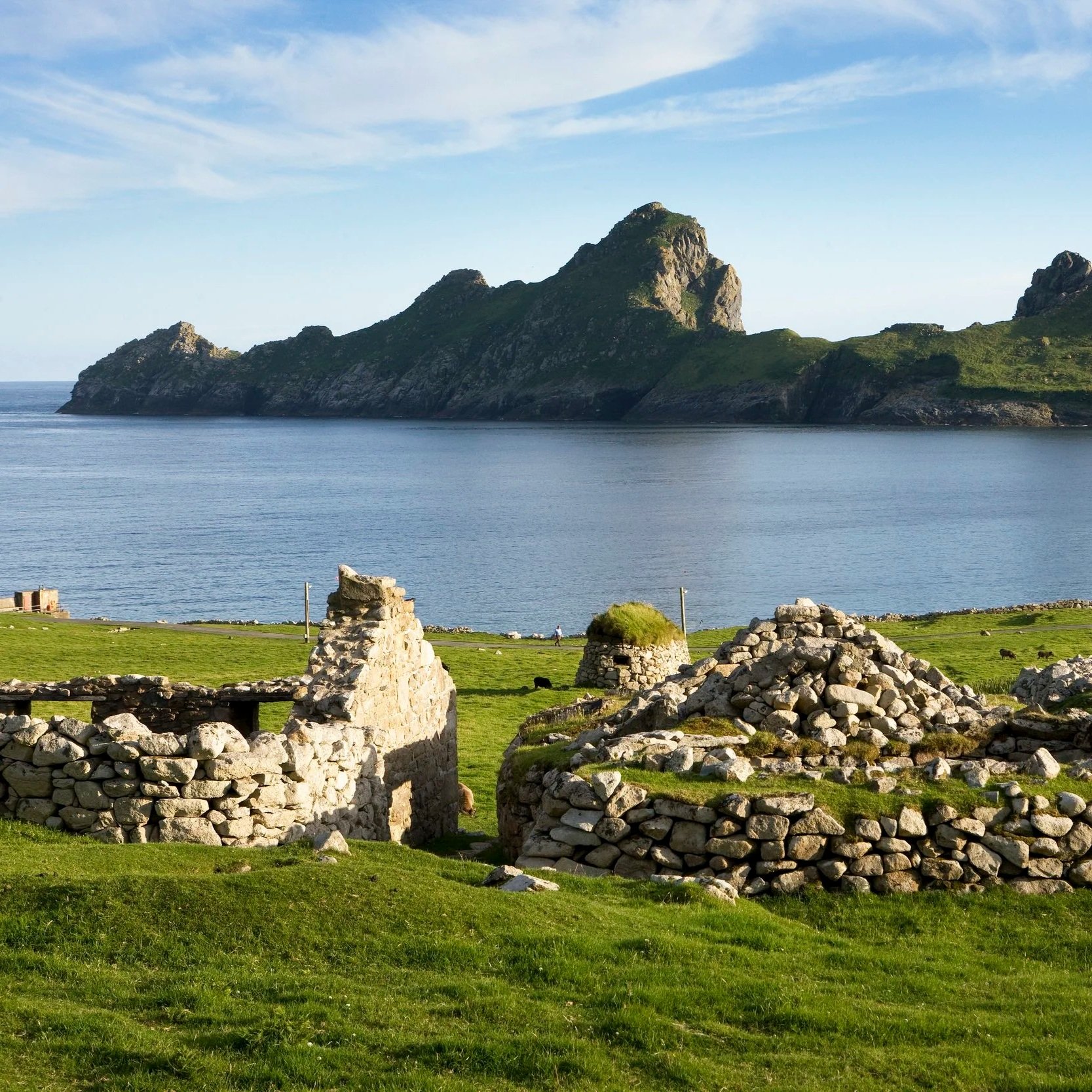
In 1957, St Kilda was bequeathed to the National Trust for Scotland by the 5th Marquess of Bute, who had purchased the islands as a bird sanctuary. Since then, the NTS has acted as steward of both St Kilda’s wild natural heritage and its deeply evocative cultural landscape, preserving its legacy for future generations.
Ann an 1957, chaidh Hiort fhàgail mar dhìleab aig Urras Nàiseanta na h-Alba leis a’ 5mh Marcas Bhòid, a cheannaich na h-eileanan mar thèarmann eun. Bhon uair sin, tha an t-Urras Nàiseanta air a bhith na stiùbhard air dualchas nàdarra fiadhaich Hiort agus a chruth-tìre cultarail a tha gu math tarraingeach, a’ gleidheadh na dìleib airson ginealaichean ri teachd.
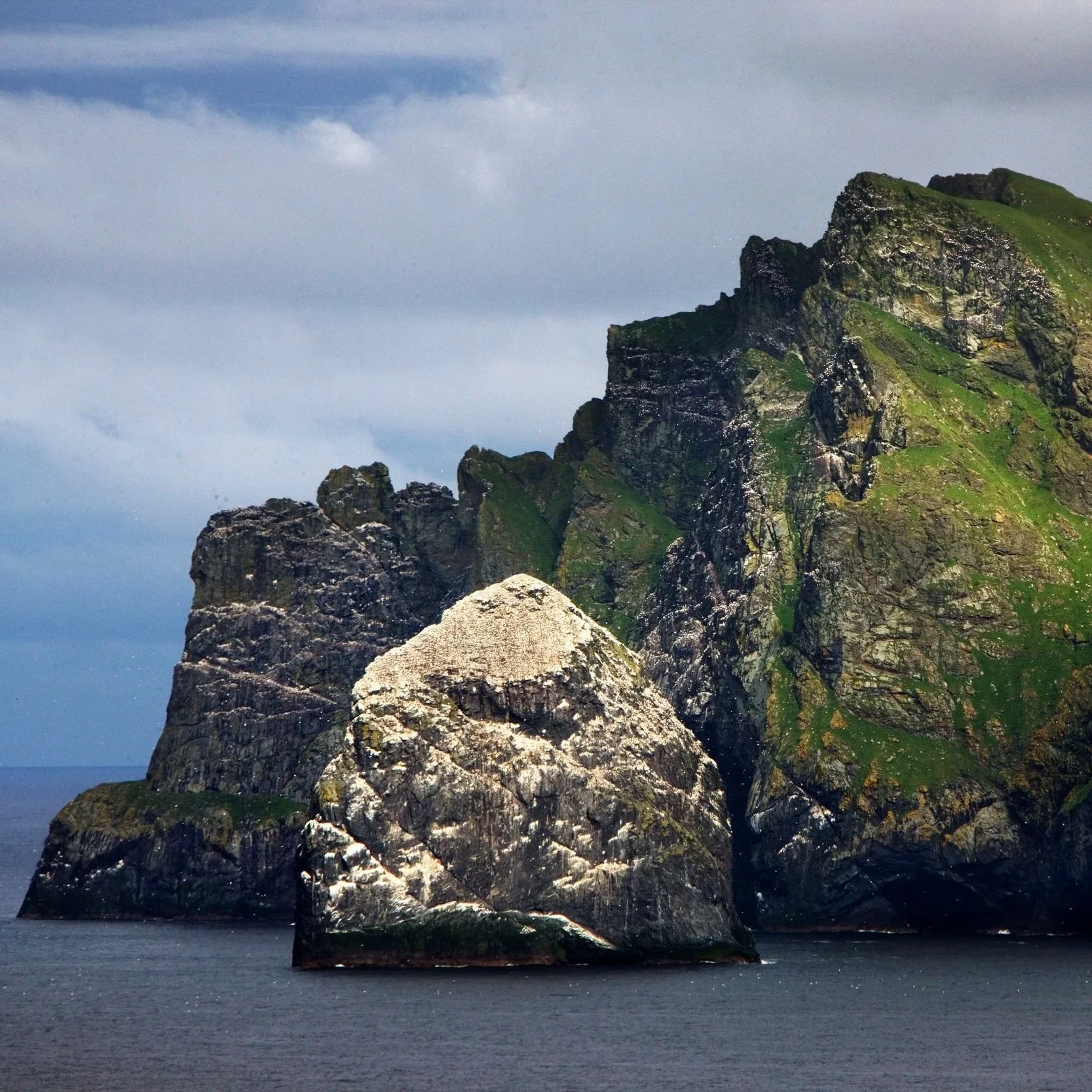
Landscape and Wildlife | Cruth-tìre agus Fiadh-bheatha
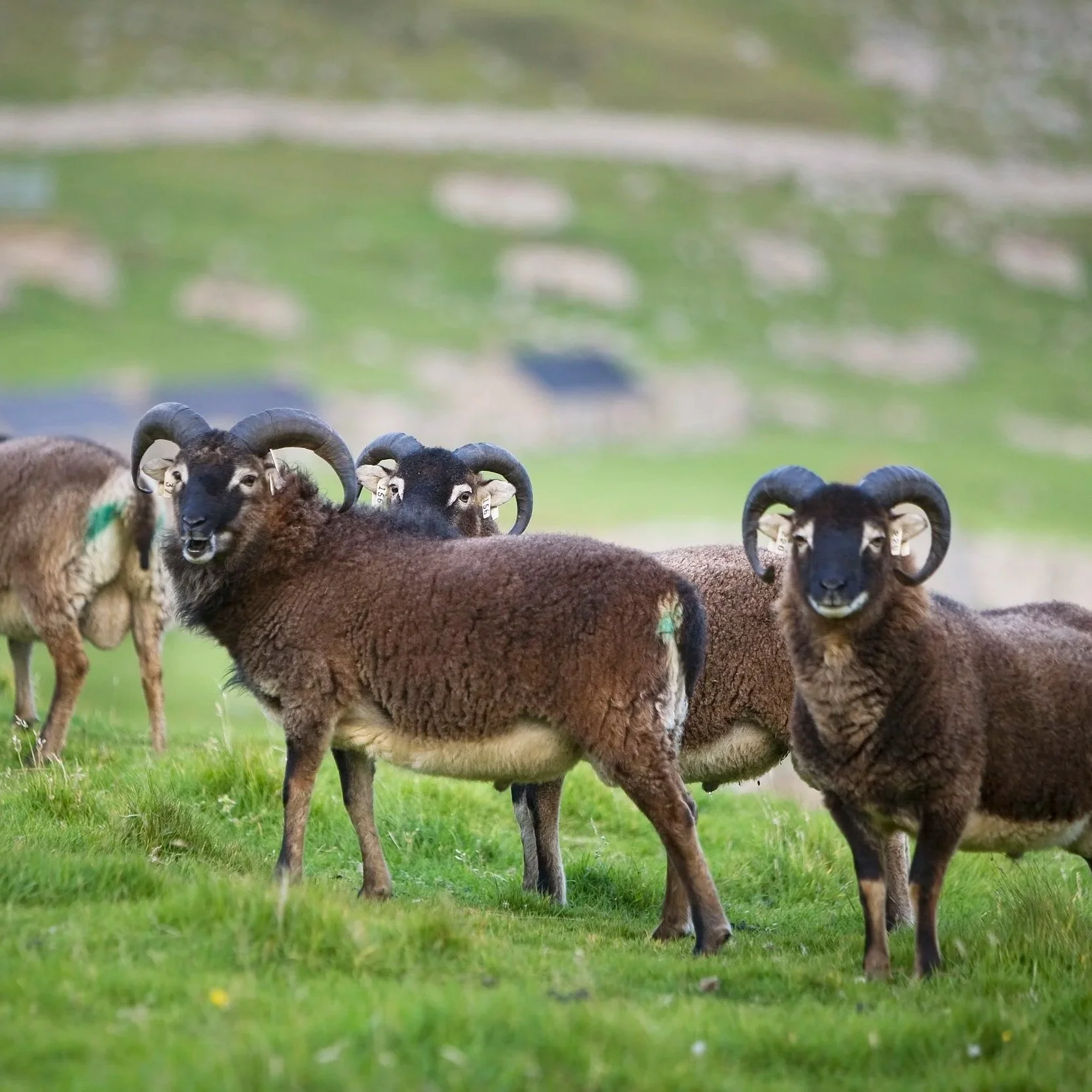
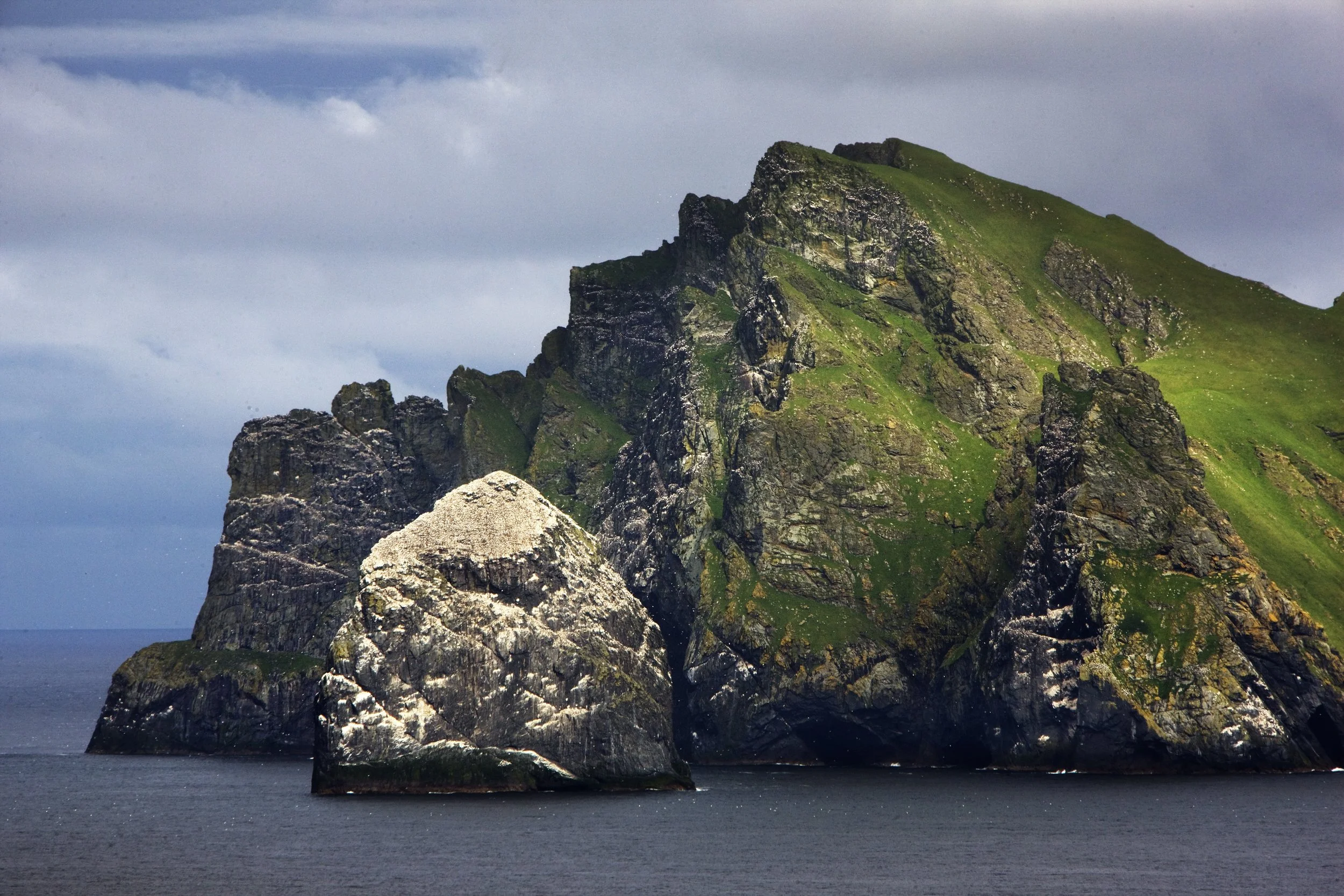
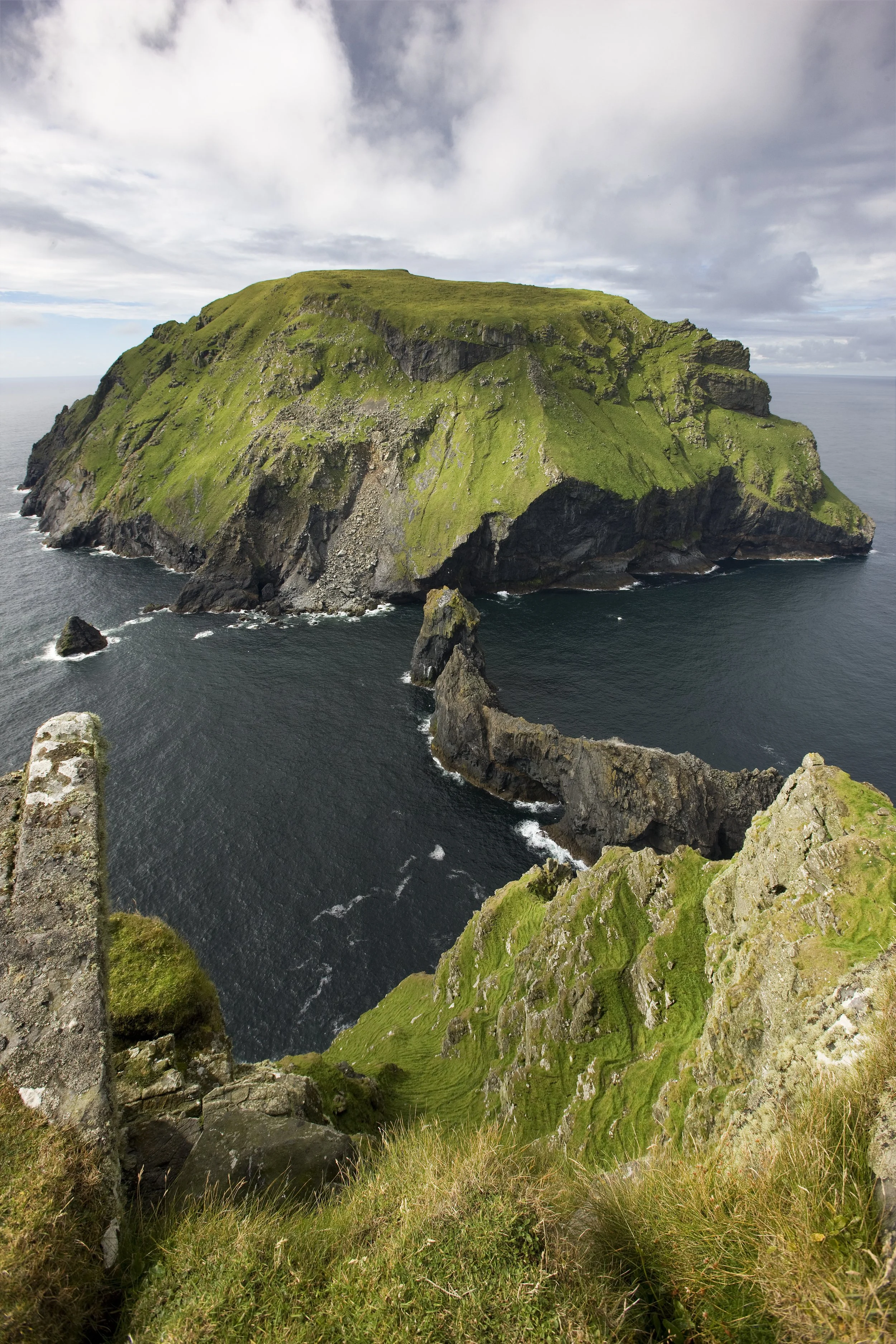
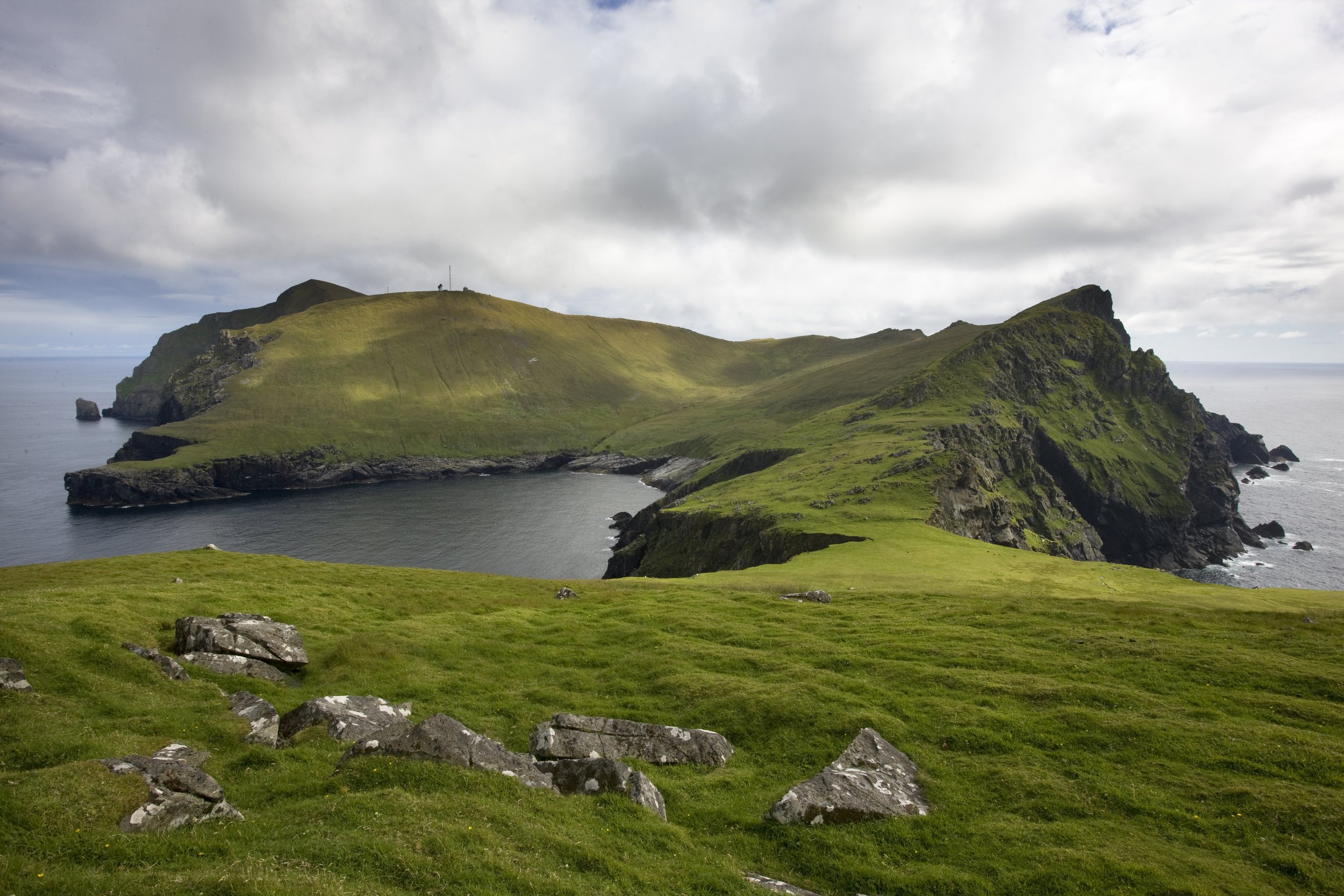
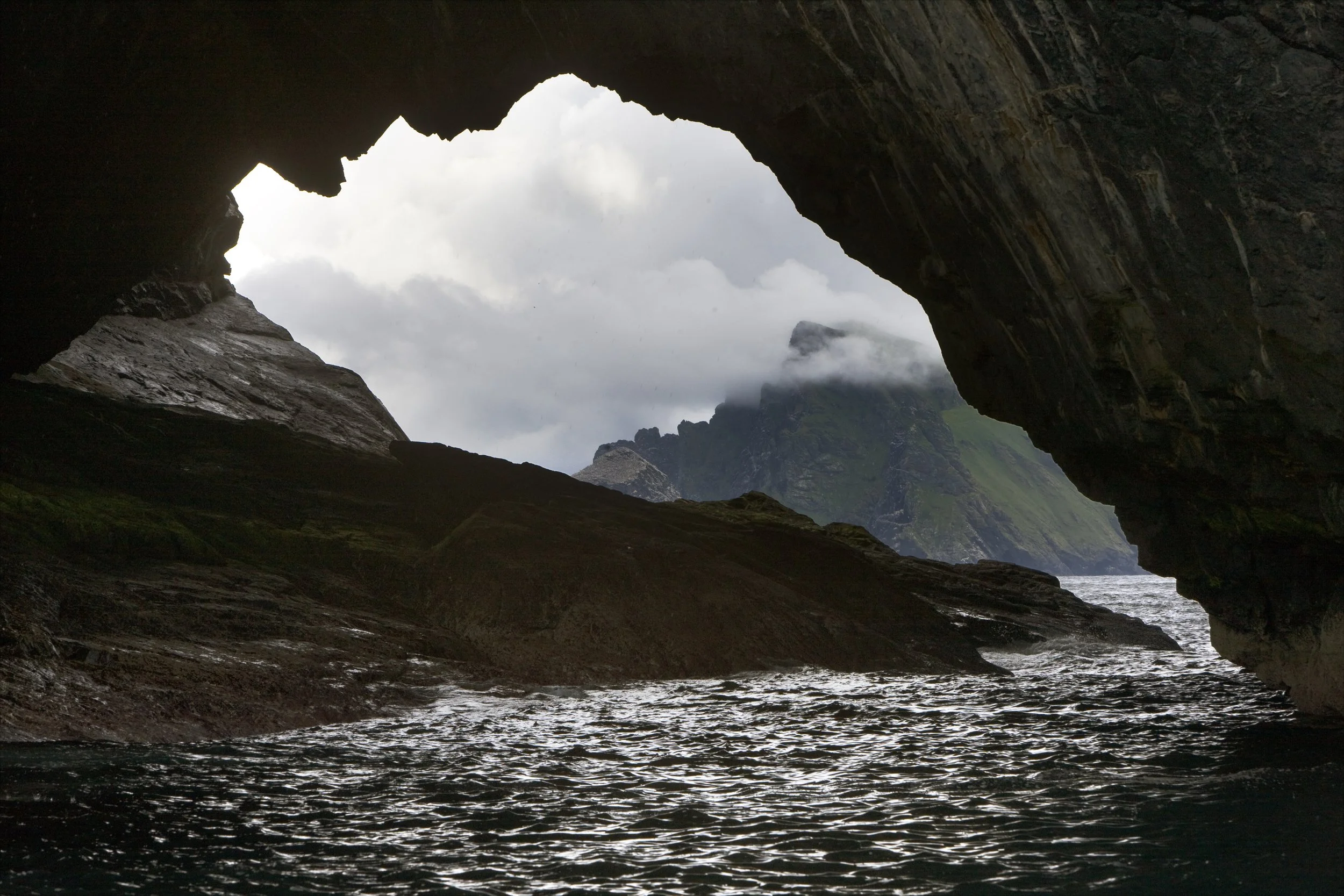
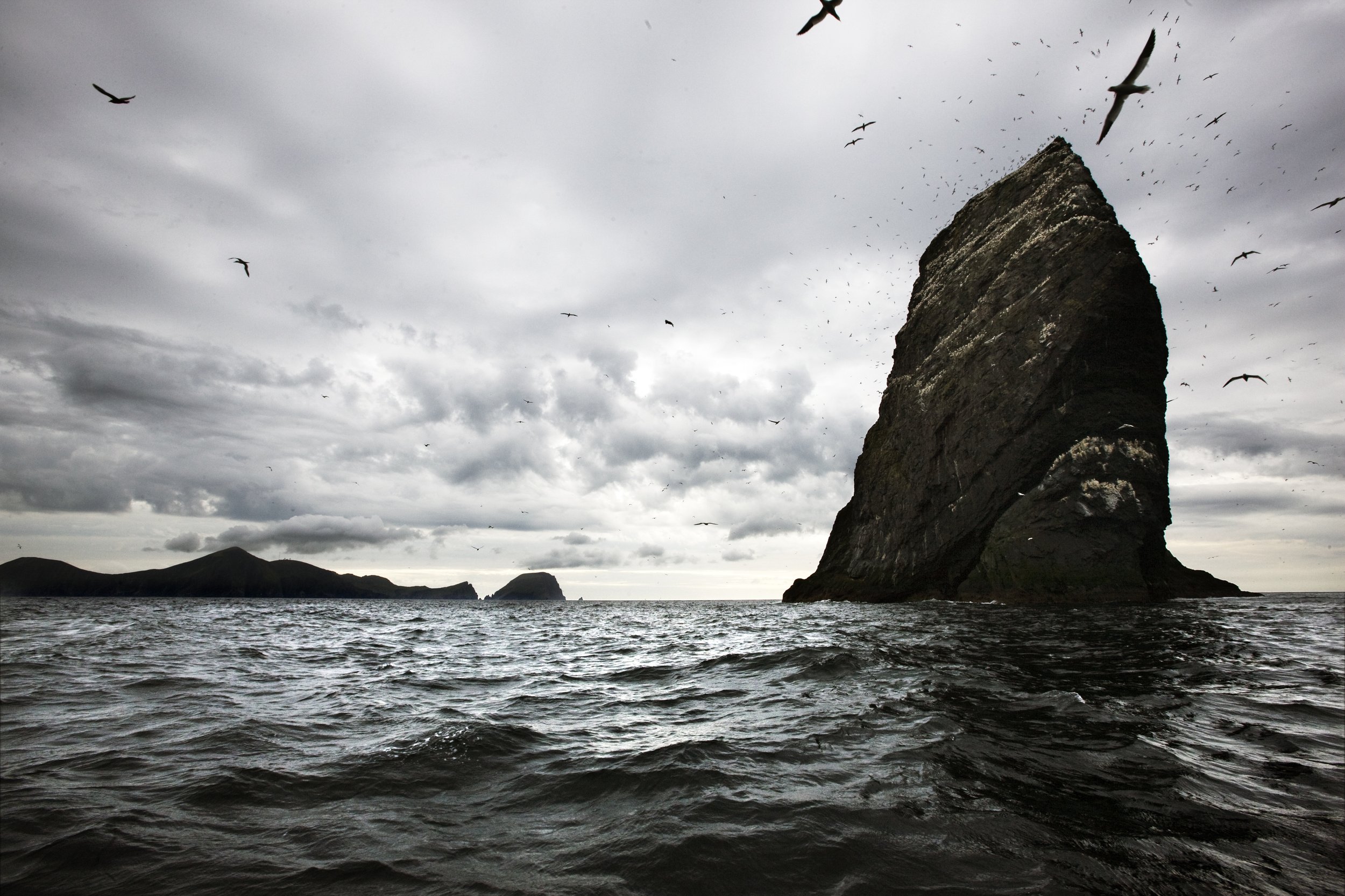
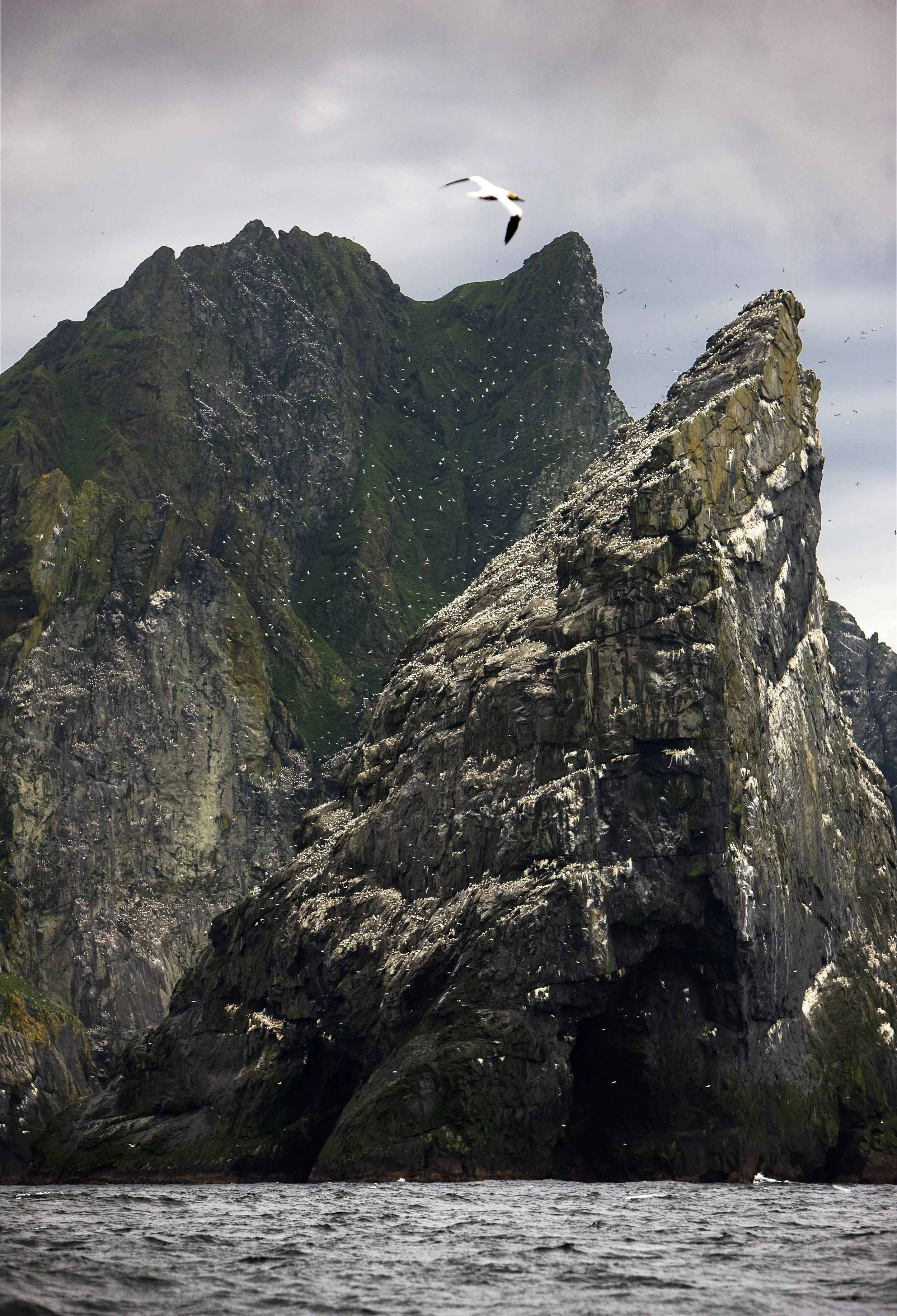
St Kilda’s landscapes rise dramatically from the sea - sheer cliffs, basalt stacks and sweeping Atlantic light. Today it is home to the world’s largest colony of gannets, a globally important population of puffins and unique breeds such as the Soay sheep and St Kilda wren. The islands continue to be shaped by wind, waves and the lives of hundreds of thousands of seabirds.
Tha cruthan-tìre Hiort ag èirigh gu mòr bhon mhuir - creagan cas bholcànach agus solas a’ Chuain Siar a’ sguabadh seachad. An-diugh, tha e na dhachaigh don choloinidh shùlairean as motha san t-saoghal, sluagh cudromach de bhuthaidean agus gnèithean sònraichte leithid caoraich Shòdhaigh agus dreathan-donn Hiort. Tha a’ ghaoth fhathast a’ toirt a dreach fhèin air na h-eileanan, na tonnan agus beatha ceudan de mhìltean de dh’eòin-mhara.
Did You Know?
The National Trust for Scotland has cared for St Kilda since 1957, working to protect its wildlife, landscapes and the remaining village structures.
St Kilda is the only place in the UK with Dual UNESCO World Heritage status - recognised for both its natural environment and its cultural history.
More than a million seabirds nest across the archipelago each year including gannets, puffins, fulmars and razorbills.
St Kilda’s Soay sheep are one of the oldest and most unchanged sheep breeds in Europe with a lineage stretching back thousands of years.
The St Kildans once sent messages to the outside world using ‘mailboats’ - small wooden boxes cast into the sea and carried by the currents.
Boreray, one of the islands in the group, holds some of the highest sea cliffs in Britain.